

Missing teeth can present a unique set of aesthetic and functional challenges. If you’re considering orthodontic treatment to achieve a straighter smile, you might wonder if popular options like Invisalign are still viable when you have gaps in your smile. The good news is, for many individuals, the answer is a resounding “yes!” However, the suitability of Invisalign with missing teeth depends on several factors, and a thorough consultation with an experienced orthodontist is crucial.
Understanding Invisalign and Its Mechanics
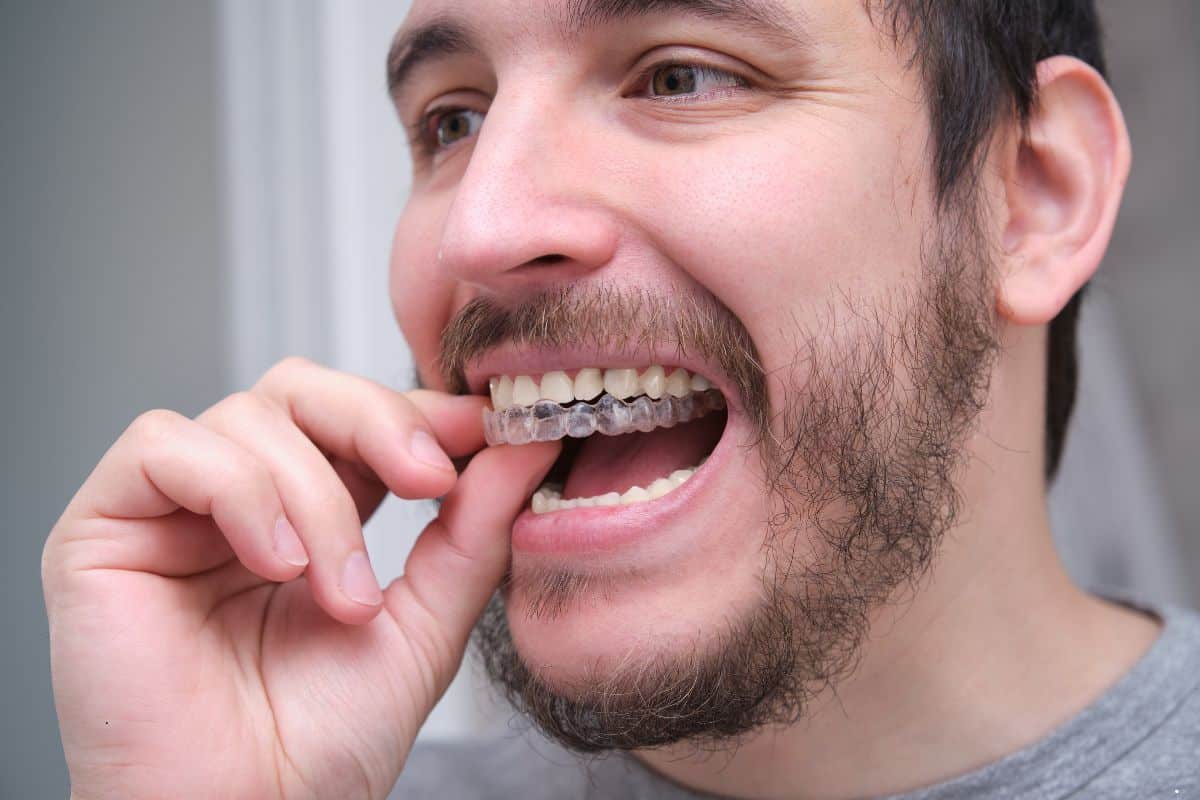
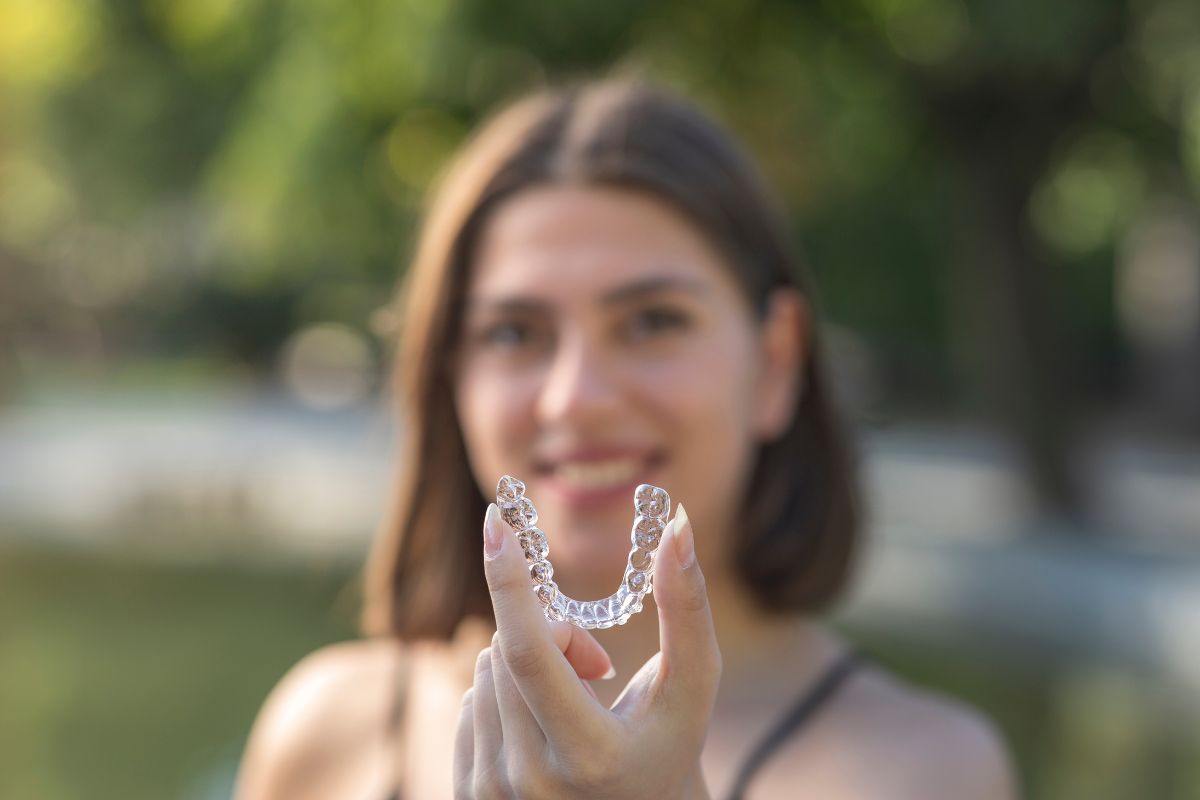
First, let’s briefly revisit how Invisalign works. Unlike traditional braces that use brackets and wires, Invisalign utilizes a series of clear, custom-made aligners that gradually shift your teeth into their desired positions. These aligners are virtually invisible and removable, offering a discreet and convenient way to straighten teeth. The aligners exert gentle, continuous pressure, guiding your teeth step-by-step towards the planned outcome.
Invisalign and Missing Teeth: The Possibilities
When you have missing teeth, the primary concerns for orthodontic treatment often revolve around space management. Can the remaining teeth be moved effectively without creating larger gaps or compromising the bite? Here’s how Invisalign can be used in various scenarios involving missing teeth:
- Closing Gaps: If you have small gaps from a missing tooth or teeth and the surrounding teeth are healthy and stable, Invisalign can sometimes be used to gently close these spaces. This is often an option when the missing tooth was relatively small or the gap is not excessively wide. The aligners can precisely control the movement of adjacent teeth, pulling them together to minimize or eliminate the gap.
- Maintaining Space for Future Restorations: In many cases, missing teeth are intended to be replaced with dental implants, bridges, or partial dentures. Invisalign can be incredibly valuable in preparing your mouth for these restorations. An orthodontist can design a treatment plan that strategically moves existing teeth to create the ideal amount of space for a future implant or bridge. This ensures that when the restoration is placed, it fits perfectly and contributes to a balanced bite. Without this preparatory orthodontic work, a misaligned bite could lead to complications with the restoration down the line.
- Improving Bite for Future Implants: Even if the missing tooth gap isn’t being closed, Invisalign can improve your bite’s overall alignment. A well-aligned bite is essential for the longevity and success of dental implants. If your existing teeth are crooked or misaligned, it can place undue stress on new restorations. Invisalign can correct these issues, creating a more stable and healthy foundation for your future dental work.
- Addressing Tooth Tilting or Drifting: When a tooth is lost, the adjacent teeth often tend to drift or tilt into the empty space. This can lead to a host of problems, including food impaction, gum disease, and an unstable bite. Invisalign can effectively upright tilted teeth and move drifted teeth back into their proper positions, thereby creating a healthier environment and potentially making it easier to replace the missing tooth.
When Invisalign Might Be Challenging? (or Not Recommended)
While highly versatile, there are some situations where Invisalign with missing teeth might be more challenging or where alternative treatments might be more appropriate:
- Extensive Bone Loss: If there’s significant bone loss in the area of the missing tooth, it might impact the stability of the remaining teeth and the ability to move them effectively.
- Multiple Missing Teeth in a Row: While not an absolute contraindication, treating large sections of missing teeth with Invisalign alone can be more complex and might require adjunctive treatments.
- Compromised Remaining Teeth: If the teeth surrounding the gap are severely compromised due to decay, gum disease, or other issues, they might not be strong enough to withstand the forces of orthodontic movement.
The Importance of a Comprehensive Consultation
The definitive answer to “Can I use Invisalign if I have missing teeth?” is a thorough consultation with an experienced orthodontist. During this initial visit, the orthodontist will:
- Conduct a comprehensive oral examination.
- Take X-rays and potentially 3D scans of your teeth and jaw.
- Discuss your medical and dental history.
- Understand your aesthetic goals and concerns.
Based on this assessment, they will be able to determine if Invisalign is a suitable option for your specific situation. They can then create a customized treatment plan that addresses both your orthodontic needs and the presence of missing teeth, often incorporating a plan for future tooth replacement if necessary.
In conclusion, having missing teeth doesn’t automatically rule out Invisalign as a viable orthodontic treatment. It can be an excellent tool to prepare your mouth for restorations, close small gaps, or improve your overall bite. The key is to seek professional guidance from an orthodontist who can assess your unique circumstances and guide you toward the best possible path to a healthier, more confident smile.