
If you have ever wondered what really happens inside your Invisalign aligners each week in Baton Rouge, you are not alone. Most patients swap trays on schedule without fully understanding the science behind the movement. That mystery can make the process feel less certain than it actually is. Dr. Stephanie Babin at Babin Dental wants you to feel confident and informed every step of the way.
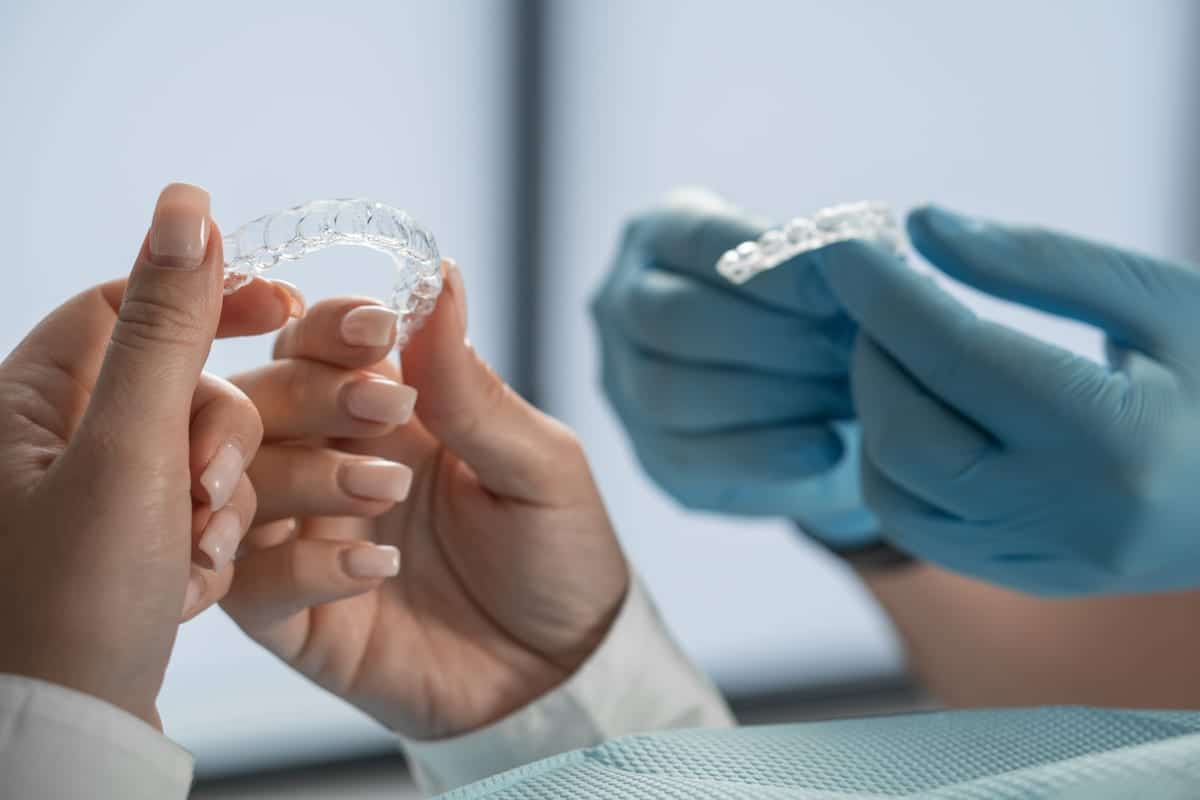
Invisalign works through a carefully engineered sequence of custom-fit plastic trays. Each tray applies gentle, targeted pressure to specific teeth. Over time, that pressure encourages your teeth to shift into their planned positions. The process is precise, predictable, and backed by decades of orthodontic research.
How Invisalign Aligners Actually Move Your Teeth in Baton Rouge
Your teeth do not move randomly inside each aligner. Each tray is designed to shift specific teeth by a very small amount — usually around 0.25 millimeters. That tiny movement adds up dramatically across a full treatment plan. By the end, those small incremental shifts create a completely new smile.
The plastic material in each aligner creates what orthodontists call a controlled force system. The tray is slightly different in shape from your current tooth position. Your teeth feel pressure because the aligner is trying to conform to its designed shape. Your teeth gradually move to relieve that pressure.
This process relies on a biological response inside your jaw. When pressure is applied to a tooth, the bone around its root begins to remodel. Bone dissolves slightly on one side and rebuilds on the other. This is how all orthodontic treatment moves teeth — Invisalign simply does it with removable trays instead of metal brackets.
The Weekly Aligner Change Schedule Explained
Most patients in Baton Rouge change their aligners every one to two weeks. Your specific schedule depends on your treatment plan and Dr. Babin’s professional recommendation. Changing too early can mean insufficient movement. Waiting too long can slow your overall progress.
Here is what a typical aligner change week looks like:
- Days 1–3: You feel the most pressure as teeth begin responding to the new tray.
- Days 4–5: Pressure eases as your teeth move into alignment with the tray.
- Days 6–7: The tray fits comfortably — a sign your teeth have responded well.
- Change day: You switch to the next tray and the process begins again.
Many patients notice that the first couple of days after a change feel the most uncomfortable. This is completely normal. It actually means the tray is doing exactly what it should. A little soreness is a sign of active tooth movement.
Wearing your aligners for the recommended 20 to 22 hours per day is critical. Every hour you leave them out, your teeth can drift slightly. Consistent wear keeps the process on track and prevents setbacks. Always put them back in after eating or drinking anything other than water.
What Attachments Do and Why They Matter
You may have noticed small tooth-colored bumps on some patients’ teeth during Invisalign treatment. These are called attachments, and they play a huge role in complex tooth movements. Attachments are small composite resin shapes bonded directly to your teeth. They give the aligner extra grip and leverage.
Without attachments, aligners can only push teeth in fairly simple directions. With attachments, Dr. Babin can achieve rotations, vertical movements, and more precise tilting. Think of them as handles that let the aligner grab specific teeth more effectively. They are tooth-colored, so most people never notice them.
Not every Invisalign patient needs attachments. Simpler cases with minor crowding or spacing may not require them at all. More complex cases — such as significant rotations or bite corrections — almost always use them. Your initial 3D scan and treatment plan will determine whether attachments are part of your journey.
Attachments are placed in a quick, painless appointment before treatment begins. They are removed when your treatment is complete. After removal, your dentist polishes the teeth so there is no trace left behind.
Understanding Refinements and Why They Are Common
Refinements are additional aligner sets created after your initial series is complete. They are far more common than most patients expect — and they are not a sign that anything went wrong. Teeth do not always move exactly as predicted. Refinements simply fine-tune the result to match your final smile goal.
Here are the most common reasons refinements are needed:
- Teeth did not track perfectly with the original aligner series.
- Certain teeth were slower to respond than the plan anticipated.
- The treatment goal was updated based on how your smile developed.
- Minor bite adjustments are needed after the main movement is complete.
Dr. Babin will take new scans at the end of your initial series to evaluate your progress. If refinements are needed, a new set of trays is designed specifically for your updated tooth positions. The process feels identical to your original treatment. Most refinement series involve far fewer trays than the original plan.
Invisalign is a living treatment plan — it adapts to your real-world results. That flexibility is one of its greatest strengths. Patients who understand refinements going in feel far less surprised when they are recommended. They are simply part of getting your smile exactly right.
How Invisalign Fits Into a Broader Smile Transformation
Invisalign is often just one part of a complete smile makeover. Many Baton Rouge patients combine orthodontic treatment with other procedures for the best overall result. Straightening your teeth first creates the ideal foundation for cosmetic work. It is a smart, strategic approach to improving your smile.
If you are interested in pairing Invisalign with other treatments, explore Cosmetic Dentistry Baton Rouge at our Hillary Court location or Cosmetic Dentistry Baton Rouge at our Picardy location. Procedures like teeth whitening or bonding can complement your newly aligned smile beautifully. Dr. Babin can help you design a full treatment sequence that fits your goals and timeline.
Investing in your smile is an investment in your confidence and health. Straighter teeth are easier to clean, reducing your risk of decay and gum disease. A well-aligned bite also puts less stress on your jaw joints and enamel. The benefits extend far beyond aesthetics.
Frequently Asked Questions
How much do teeth actually move with each Invisalign tray?
Each aligner typically moves specific teeth by approximately 0.25 millimeters. That amount seems tiny, but it adds up significantly across an entire treatment plan. Over dozens of trays, those small increments create major changes in tooth position. The movement is gradual by design to keep the process safe and comfortable.
Is it normal to feel pain or pressure after changing aligners?
Yes, mild pressure and soreness for the first two to three days after a tray change is completely normal. It indicates that the new aligner is actively applying force to move your teeth. The discomfort typically fades as your teeth begin to shift toward the new position. Over-the-counter pain relievers can help if needed.
What happens if I forget to wear my aligners for a day?
Missing a full day of wear can slow your treatment progress. Your teeth may drift slightly, making the current tray feel tighter when you put it back in. If you miss more than a day or two, contact Dr. Babin before switching to your next tray. She can advise whether you need to stay in the current tray longer before progressing.
How do I know if my teeth are tracking correctly with my aligners?
Your tray should fit snugly against your teeth with no large gaps at the gumline or biting edges. If a tray feels loose right away or does not seat fully, your teeth may not be tracking as planned. Dr. Babin checks your tracking at each appointment during treatment. If you notice a poor fit between visits, call the office so she can evaluate your progress.
Do refinements cost extra at Babin Dental?
Refinement policies vary depending on your specific treatment agreement. Dr. Babin discusses refinement expectations with patients before treatment begins so there are no surprises. Many comprehensive Invisalign plans include at least one round of refinements. It is always best to ask during your consultation so you fully understand your treatment investment.
Understanding what really happens inside your Invisalign aligners each week in Baton Rouge makes the entire journey feel more manageable and exciting. You are not just swapping plastic trays — you are participating in a precise, science-driven transformation. Dr. Stephanie Babin and the team at Babin Dental are here to guide you every step of the way. Book Now to schedule your appointment with our team.