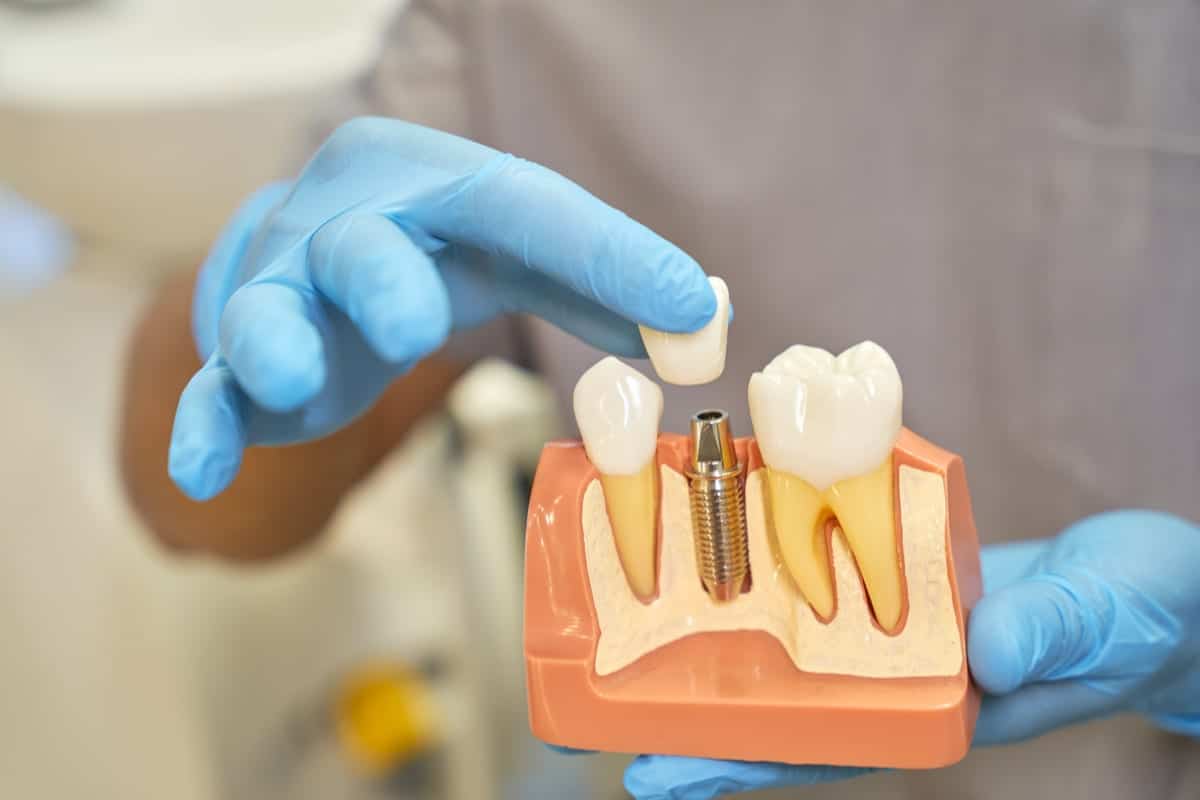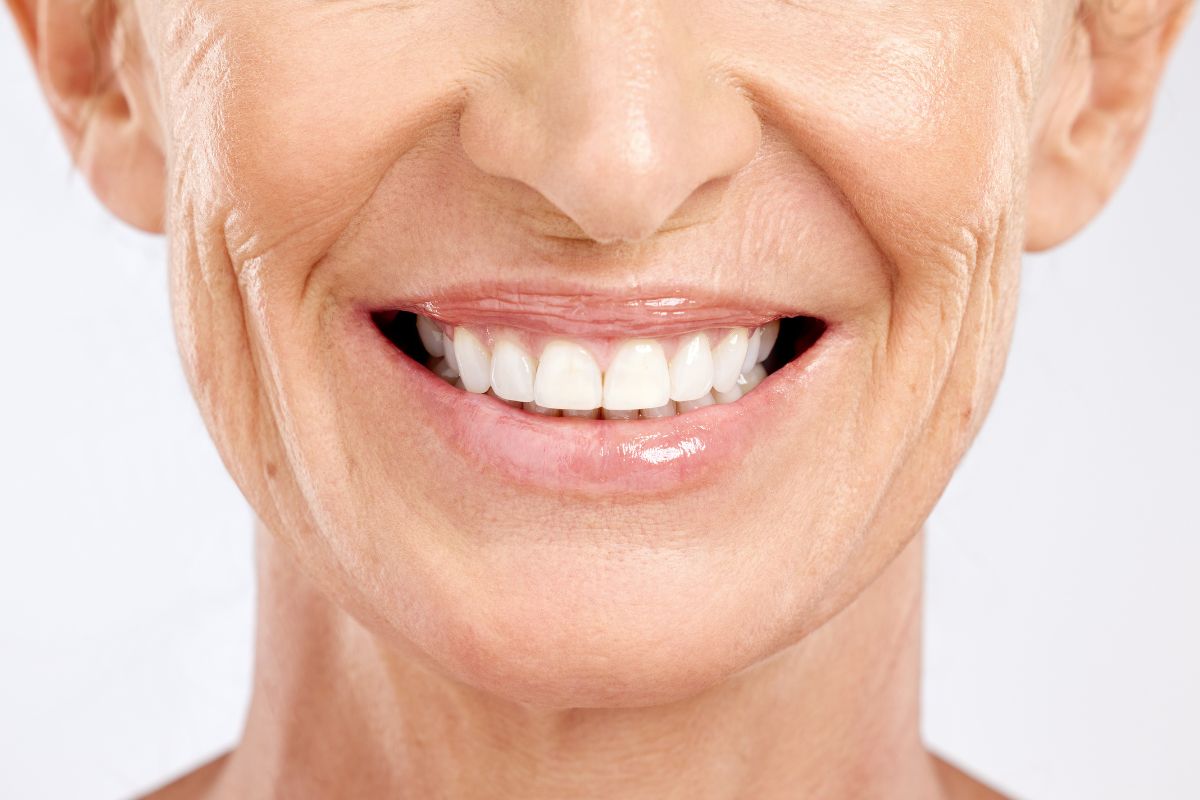


Getting dental implants can be a life-changing solution for missing teeth, offering renewed function, a beautiful smile, and improved confidence. But for some patients, there’s an unexpected side effect—speech issues, especially a lisp. If you’ve recently gotten implants and noticed changes in your speech, you’re not alone. A temporary lisp after dental implants is fairly common, and the good news is that it’s usually manageable and treatable.
In this blog, we’ll explain why this happens, what you can do to fix it, and how long it might take. Whether you’ve had a single implant or full-arch restoration, here’s everything you need to know about regaining your natural speech—brought to you by Babin Dental, a trusted provider of dental implants in Baton Rouge.
Why Do Some People Lisp After Getting Dental Implants?
A lisp is a speech disorder where certain sounds, especially “s” and “z,” are mispronounced, often due to tongue placement. Dental implants can sometimes lead to temporary lisps due to several factors:
- Tongue Adjustment: Your tongue may need time to adjust to the new space or shape inside your mouth, especially if you’ve had multiple implants or prosthetics like dentures supported by implants.
- Swelling and Healing: After implant surgery, your mouth might be slightly swollen or sensitive, which can affect how you pronounce certain words.
- New Teeth Shape: The position, thickness, or alignment of crowns or bridges can slightly change the way your tongue moves during speech.
- Jaw Muscle Adaptation: It takes time for your jaw muscles to adapt to your new bite and structure, which can influence speech patterns.
These changes are typically temporary, and your body gradually adjusts. But if the issue persists, there are ways to improve or completely fix the problem.
Practical Ways to Fix a Lisp After Dental Implants
If you’re experiencing a lisp after your implant procedure, don’t worry. Several simple yet effective techniques can help you regain natural, clear speech:
1. Practice Speech Exercises at Home
Repetition and consistency are key. Try:
- Tongue Placement Drills: Say words like “sassy,” “zipper,” and “sunshine” slowly while focusing on correct tongue placement.
- Reading Out Loud: Choose a short story or article and read it out loud every day to practice forming words properly.
- Mirror Work: Watch yourself while speaking in front of a mirror to track your mouth and tongue movement.
These exercises help retrain your speech muscles and improve coordination between your tongue and the new structure of your teeth.
2. Give It Time to Heal
Your mouth needs time to adjust. In the first few weeks post-surgery, mild speech issues are common and usually resolve on their own. Patience is essential—don’t rush the process.
- Stick to soft foods during early healing to minimize pressure.
- Avoid straining your jaw with long conversations in the first few days.
- Allow your tongue to gradually adapt to the new contours of your mouth.
3. Work with a Speech Therapist
If your lisp continues after several weeks or months, a speech therapist can help correct it efficiently. They can offer:
- Personalized techniques tailored to your specific speech pattern
- One-on-one sessions to practice pronunciation
- Professional guidance on retraining oral muscles
Speech therapy can be particularly helpful for patients who’ve had multiple implants or full-mouth restorations.
4. Visit Your Implant Dentist for Adjustments
Sometimes, your new prosthetic teeth might need a minor tweak.
- Contact points or edges may be slightly too bulky or positioned in a way that affects tongue movement.
- Our implant dentist at Babin Dental in Baton Rouge can check if a small adjustment to the shape or alignment can make a difference.
In some cases, reshaping a crown or bridge slightly can greatly improve speech clarity.
Bonus Tip: Try saying tongue twisters like “She sells seashells” or “Zebra zooms by” in front of a mirror. Recording yourself and playing it back can help track progress and improve awareness.
How Long Does It Take to Get Rid of a Lisp?
The timeline varies depending on several factors, including the number of implants, placement location, and how quickly your body adjusts. Generally:
- Mild lisps resolve within 1–2 weeks.
- Moderate cases may take a few months with consistent speech practice.
- Persistent speech issues might require therapy or prosthetic adjustments and can take longer.
It’s important to track your progress. If your lisp doesn’t improve after 4–6 weeks, talk to your dentist or seek help from a speech professional.
When to Seek Help
While a temporary lisp is normal, certain red flags suggest it’s time to consult your implant provider:
- Your speech hasn’t improved after a few weeks.
- You’re experiencing discomfort while talking.
- You notice other issues like biting your tongue or inner cheeks frequently.
- You feel self-conscious or avoid social interactions because of your speech.
If you’re in the Baton Rouge area, the team at Babin Dental is here to support you with expert care and personalized solutions for any implant-related concern.
Frequently Asked Questions
Is it common to have a lisp after dental implants?
Yes, it’s fairly common—especially during the initial adjustment period. Your mouth may need time to adapt to the new structure.
How long does a lisp usually last after getting implants?
Most patients notice improvement within 1–3 weeks. However, timelines can vary depending on how many implants were placed.
What are some effective speech exercises to fix a lisp?
Practice “s” and “z” sounds, repeat tongue twisters, read aloud daily, and focus on proper tongue placement during speech.
When should I be concerned if my lisp isn’t going away?
If you’re still experiencing speech issues after 4–6 weeks, it’s a good idea to consult your dentist or a speech therapist.
Can my dentist make adjustments to fix the lisp?
Yes. If needed, your dentist can adjust the crown thickness or contour to improve how your tongue interacts with the implant.
Is speech therapy necessary after dental implants?
In some cases, yes—especially if self-guided exercises don’t help. A speech therapist can offer targeted strategies.
What are the warning signs that my lisp may not resolve on its own?
Ongoing speech difficulty, accidental tongue or cheek biting, and no noticeable progress after a few weeks are red flags.
Can dental implants improve speech clarity in some cases?
Absolutely. Replacing missing teeth—especially in the front—can enhance pronunciation and overall speech quality.
How can I reduce the risk of developing a lisp after implants?
Choose an experienced implant provider, discuss potential speech changes in advance, and follow post-op care closely.
Confidence in Every Word You Speak
Getting dental implants can be one of the best decisions for your oral health, function, and self-esteem. And while a lisp might feel discouraging at first, it’s usually just a minor bump in the road. With the right exercises, a little patience, and support from your dental team, you’ll soon speak confidently and clearly again.
At our dental practice, the goal is to ensure your smile not only looks great but works perfectly too—including the way you speak. If you have concerns about your speech after dental implants, don’t hesitate to reach out. Let’s make your new smile as functional as it is beautiful.