
If you’re an adult thinking about straightening your teeth, you’ve probably wondered about Invisalign vs braces — which actually works better for adults in Baton Rouge? It’s one of the most common questions Dr. Stephanie Babin hears at Babin Dental. Both options can deliver beautiful results. But they work very differently, and one may suit your lifestyle far better than the other.
This guide breaks down the key differences between Invisalign and traditional braces. We’ll cover comfort, appearance, compliance, cost, and treatment scope. By the end, you’ll have a much clearer idea of which path makes sense for you.
Invisalign vs Braces in Baton Rouge: Comfort and Daily Life
Comfort is often the deciding factor for adult patients. Traditional metal braces use brackets and wires fixed to your teeth. They can cause soreness — especially after adjustments. Wires sometimes poke the inside of your cheeks or lips.
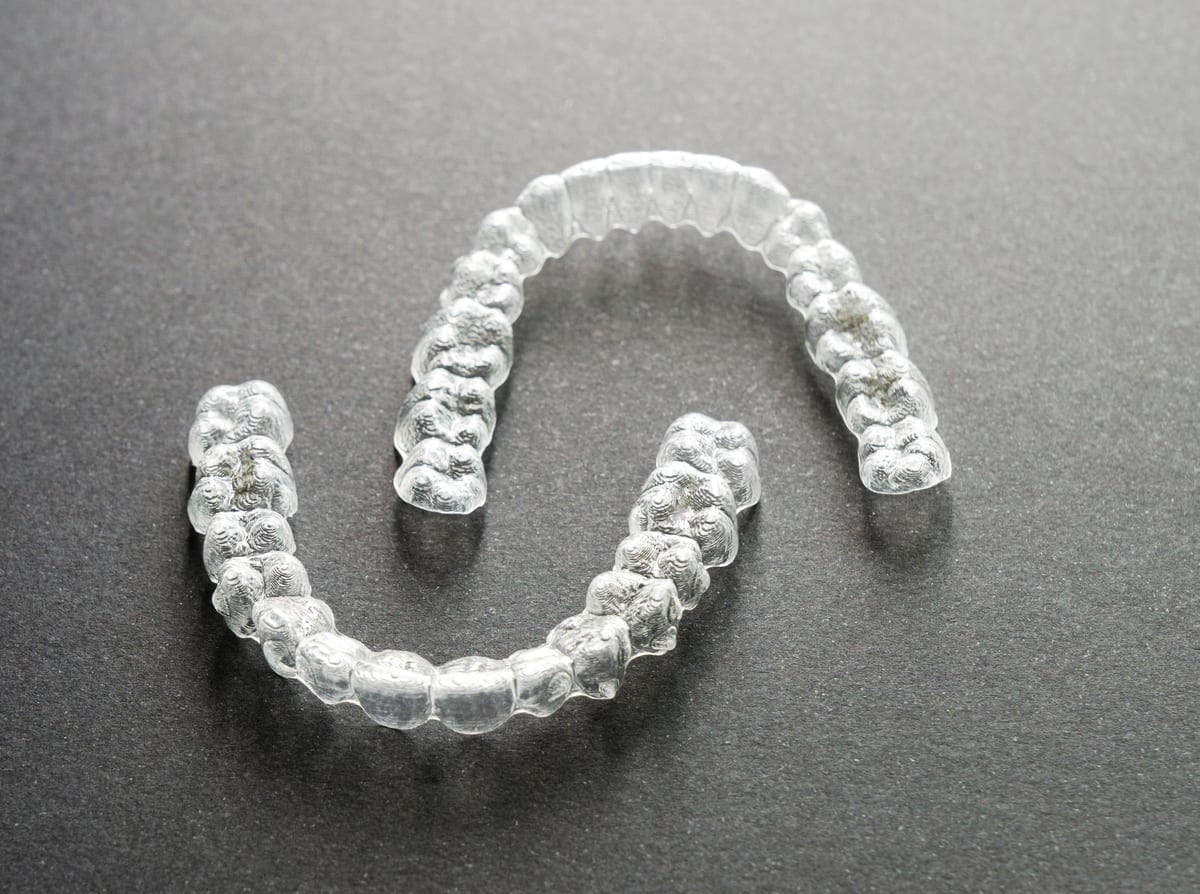
Invisalign uses a series of smooth, custom-fit plastic aligners. Most adults find them far more comfortable to wear daily. There are no sharp edges and no emergency wire repairs. Soreness can still occur as teeth shift, but it tends to be milder.
Diet is another major lifestyle difference. With braces, you must avoid hard, sticky, and crunchy foods. Invisalign aligners are removable, so you eat whatever you like. You simply take them out before meals and put them back in after brushing.
- Braces are fixed — no removal for eating or brushing
- Invisalign aligners are removable for meals and oral hygiene
- Braces may cause irritation from brackets and wires
- Invisalign aligners are made from smooth, BPA-free plastic
- Both options may cause mild tooth soreness during movement phases
Appearance and Visibility: A Key Factor for Adults
Most adults care deeply about how their smile looks during treatment. This is completely understandable — especially in professional settings here in Baton Rouge. Metal braces are highly visible. They make it obvious you’re in orthodontic treatment.
Invisalign aligners are nearly invisible when worn. Most people won’t notice them unless they look very closely. This matters enormously for adults in client-facing careers, social settings, or important life events. Confidence during treatment is a real quality-of-life consideration.
Ceramic braces offer a middle ground — tooth-colored brackets are less noticeable than metal. However, they still involve visible hardware on your teeth. For maximum discretion, Invisalign remains the clear leader among adult patients.
Invisalign is also part of broader Cosmetic Dentistry Baton Rouge treatment planning. Many adults combine aligner therapy with whitening or bonding for a complete smile transformation. Dr. Babin also offers Cosmetic Dentistry Baton Rouge services at the Picardy location for added convenience.
Compliance, Discipline, and Treatment Success
Here’s an honest truth about Invisalign: it requires discipline. Aligners must be worn 20 to 22 hours per day for treatment to stay on track. If you leave them out too often, your teeth won’t move as planned. Treatment timelines will extend.
Braces don’t require any compliance decisions — they work around the clock because they’re fixed. For some adults, this is actually a benefit. There’s no temptation to skip wearing them and no risk of losing an aligner.
That said, most motivated adults handle Invisalign compliance very well. The key is building a simple routine. Wear aligners during sleep, at work, and throughout your day. Remove only for eating, drinking anything other than water, and brushing your teeth.
- Wear your aligners immediately after waking up
- Remove before meals and drinks (except plain water)
- Brush and floss before reinserting aligners
- Track your daily wear time using a reminder app if needed
- Store aligners in their case — never wrap them in a napkin
Treatment Scope: What Each Option Can Fix
Both Invisalign and braces can treat a wide range of alignment issues. This includes crowding, spacing, overbites, underbites, and crossbites. However, the severity of the case matters when choosing the right treatment.
Traditional braces typically handle more complex orthodontic cases. Severe bite problems or significant crowding may respond better to fixed appliances. Orthodontists have fine-tuned braces over decades for highly precise tooth movement.
Invisalign technology has advanced dramatically in recent years. Modern aligners can now address many cases that previously required braces. For mild to moderate alignment issues — which describe most adult patients — Invisalign is highly effective.
At Babin Dental, Dr. Babin evaluates each patient’s unique bite and alignment needs. Not every case is right for Invisalign. An honest consultation ensures you get the option that will actually deliver the results you’re looking for.
Cost Comparison: Invisalign vs Traditional Braces
Cost is always a practical consideration for adult patients. The price of both options varies based on case complexity and treatment length. In general, Invisalign and traditional braces fall into a similar price range for most adults.
Braces used to be significantly less expensive than Invisalign. That gap has narrowed considerably as aligner technology has become more mainstream. For mild to moderate cases, the cost difference may be minimal.
Financing options are typically available for both treatments. Breaking the total cost into manageable monthly payments makes either option more accessible. Discuss your budget openly during your consultation — there are usually flexible options available.
The real cost question is about value. Invisalign offers comfort, discretion, and lifestyle flexibility. Braces offer around-the-clock treatment without compliance demands. Both investments lead to a healthier, straighter smile that lasts a lifetime.
Which Option Is Right for You in Baton Rouge?
Choosing between Invisalign and braces isn’t a one-size-fits-all decision. Your lifestyle, case complexity, and personal priorities all matter. Most adults in Baton Rouge who visit Babin Dental lean toward Invisalign for its convenience and appearance.
However, Dr. Babin always recommends the treatment that will deliver the best clinical outcome for your specific teeth. An initial consultation includes a thorough exam and an honest conversation about your goals. You’ll leave with a clear picture of your options and what each involves.
The best way to find your answer is to schedule a consultation. Dr. Stephanie Babin and the Babin Dental team are here to guide you every step of the way. Book Now to schedule your appointment with our team.
Frequently Asked Questions
Is Invisalign as effective as braces for adults?
For mild to moderate alignment issues, Invisalign is highly effective for adults. Modern aligner technology has advanced significantly and can treat most common cases. Complex bite issues may still require traditional braces. Dr. Babin will assess your specific needs during a consultation.
How long does Invisalign treatment take for adults?
Most adult Invisalign cases take between 12 and 18 months. Treatment length depends on the complexity of your alignment issues and how consistently you wear your aligners. Simpler cases can sometimes be completed in as little as six months. Your provider will give you a more precise timeline after evaluating your teeth.
Can adults get braces instead of Invisalign in Baton Rouge?
Absolutely — traditional braces remain a valid and effective option for adults. Some complex cases are actually better suited to braces than aligners. At Babin Dental in Baton Rouge, Dr. Babin evaluates both options and helps you make the most informed choice for your situation.
Does Invisalign hurt more than braces?
Both options involve some degree of tooth soreness as your teeth shift. Most patients find Invisalign produces less irritation overall because there are no brackets or wires. Discomfort with either treatment is typically mild and manageable with over-the-counter pain relief if needed.
What happens after Invisalign or braces treatment?
After either treatment, you’ll need to wear a retainer. Retainers prevent teeth from shifting back to their original positions. Your dentist will provide a retainer and explain how often to wear it. Consistent retainer use is essential to maintaining your results long-term.