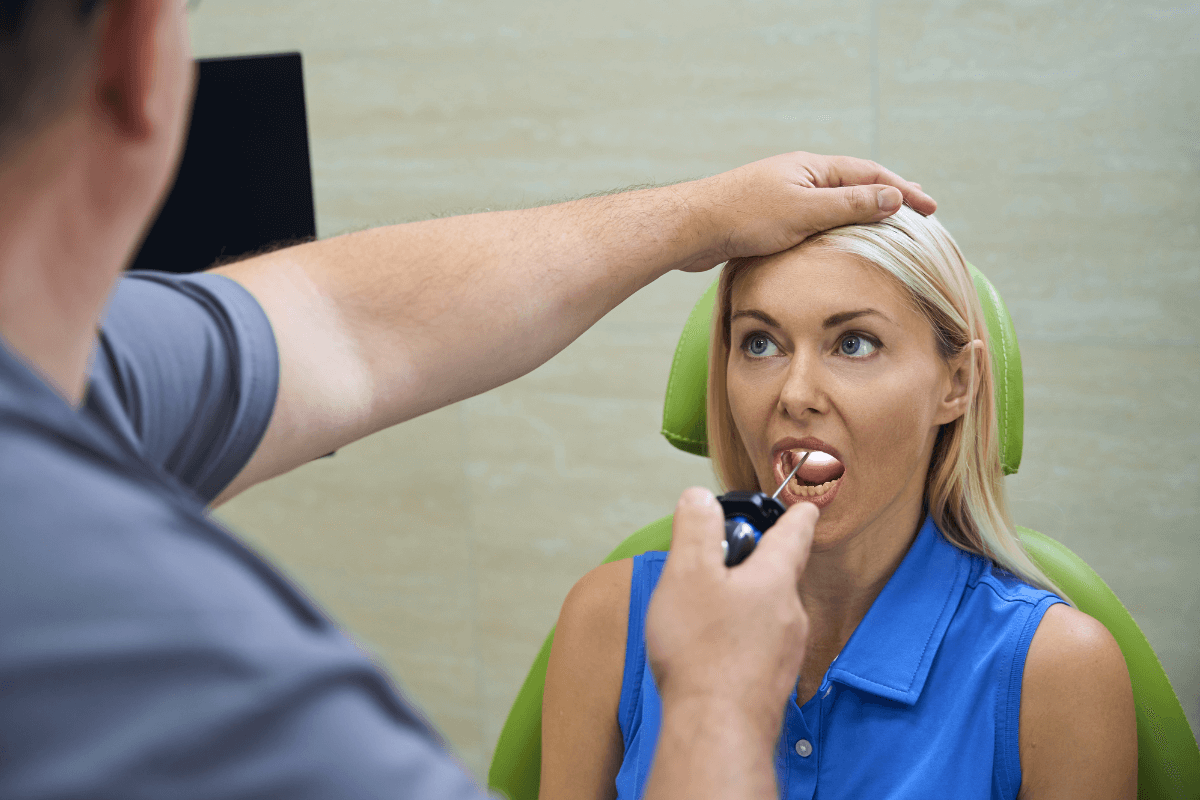


It is not unusual to notice tongue soreness, also known as glossitis, after a dental visit, but it often comes as a surprise. The procedure may have involved your teeth or gums, yet the discomfort appears in a completely different area. What causes this reaction? Is it part of the healing process, or a sign that something needs attention?
This blog discusses the possible reasons behind a sore tongue after dental work, how long the discomfort typically lasts, and when to seek professional care. Whether you have recently seen a dentist near you or are preparing for a procedure, understanding this symptom can help guide your next steps confidently.
Why Your Tongue Might Hurt After Dental Work
Glossitis is a common side effect of dental procedures. The tongue is sensitive, and even slight pressure can cause irritation. Below are the most frequent reasons for tongue soreness after dental work and when it may require attention.
1. Irritation From Dental Tools And Equipment
During procedures like fillings, crowns, or cleanings, your tongue may come into contact with the provider’s tools and materials. Since your mouth is a small space, it is easy for the tongue to be accidentally bumped or pressed.
Lengthy procedures, particularly those requiring your mouth to stay open, also contribute to tongue fatigue or slight abrasions. This can lead to tenderness, especially when speaking or eating afterward.
2. Reaction To Anesthesia
Local anesthesia is a standard part of many dental procedures. While it numbs the treated area, it also affects surrounding tissues, including your tongue. You might unknowingly bite your tongue while it is still numb, leading to glossalgia that shows up a few hours later.
Sometimes, a patient may be sensitive to the anesthetic ingredients, causing mild inflammation or irritation on the tongue’s surface.
3. Chemical Sensitivity Or Allergic Response
Some people experience tongue discomfort due to sensitivity to dental materials, such as bonding agents, polishes, or fluoride treatments. If your tongue feels burned, swollen, or tingling, you may be reacting to a substance used during your visit.
This is often temporary, but if the feeling persists or worsens, it is worth discussing with your dental care provider to rule out any allergic reactions.
4. Dry Mouth And Tongue Friction
Procedures that require keeping your mouth open for long periods can lead to dryness. A dry tongue can become irritated due to friction against teeth or dental tools. This discomfort usually feels like a raw or chafed area and improves once saliva production returns to normal. Staying hydrated and using mouth-moisturizing products can help soothe the discomfort during recovery.
5. Stress On Mouth Muscles
If you have had extensive work done or had your jaw open wide during treatment, your tongue muscles might be strained. This is more common after long dental appointments and may feel similar to glossalgia after using a muscle that has not been stretched in a while. Our Baton Rouge dentist might recommend gentle tongue stretches or rinses to ease this discomfort.
When Is A Sore Tongue A Sign Of Something Serious?
While most tongue pain after dental procedures is minor and goes away within a few days, it is vital to pay attention to certain signs that could indicate something more serious. Watch for:
- Pain that gets worse instead of better
- Signs of infection, such as swelling, redness, or pus
- Difficulty speaking or swallowing
- Numbness that lasts longer than 24 hours
- A burning sensation that doesn’t subside
In these situations, contact your oral health provider as soon as possible for a professional evaluation. Early intervention can prevent complications.
How Long Does Tongue Inflammation Usually Last?
For most people, the discomfort lasts only a few days. Mild irritation often improves within 48 to 72 hours. If the pain lingers beyond a week, it may indicate that your bite needs adjusting or that a dental surface is still irritating your tongue. At this point, reaching out to a dentist near you can help identify the underlying issue. You can also try some home remedies if the discomfort persists longer than usual.
How To Soothe A Sore Tongue At Home
If you have a mild sore tongue, there are several simple home remedies that can promote healing and comfort:
- Rinse with warm salt water to reduce inflammation and cleanse the area.
- Avoid spicy or acidic foods that can irritate the tongue further.
- Use an alcohol-free mouthwash for gentle cleaning.
- Apply cold compresses or suck on ice chips to numb the inflammation.
- Stay hydrated to maintain a moist oral environment.
- Avoid speaking excessively or chewing gum to allow your tongue to rest.
If your symptoms do not improve within a few days or seem to worsen, it is best to follow up with a qualified dental professional, such as Babin Dental, for guidance.
Preventing Tongue Irritation In Future Visits
While not every sore tongue can be prevented, there are steps you can take before and after dental work to minimize discomfort:
- Let your provider know if you have a history of tongue sensitivity.
- Ask for frequent breaks during longer procedures.
- Request the use of gentler or hypoallergenic materials.
- Practice good oral hygiene before your visit to reduce sensitivity.
FAQs
Is it normal for my tongue to feel swollen after dental work?
Yes, mild swelling can happen due to anesthesia, dryness, or contact with dental tools. It typically improves within a few days.
Can a filling or crown cause ongoing tongue irritation?
Yes. If the surface is rough or your bite is not aligned properly, your tongue may rub against it. In this case, a quick adjustment by a dentist can solve the problem.
How do I know if my sore tongue is due to an allergic reaction?
If you experience burning, tingling, or swelling that feels unusual or doesn’t go away, it may be a reaction to dental materials. Consult your provider immediately.
Could vitamin deficiencies make my tongue more sensitive after dental work?
Yes. Low levels of iron or B vitamins can make the tongue more prone to irritation and soreness. If symptoms persist, consider discussing nutritional testing with your doctor.
What foods should I avoid while my tongue is sore?
Spicy, salty, or acidic foods can make soreness worse. Stick to soft, bland foods until the tongue feels better.
When To Seek Expert Care from Our Dentist in Baton Rouge
While mild tongue soreness after dental procedures is generally temporary, it is necessary to know when professional attention is needed. Recognizing the difference between normal recovery and signs of a potential issue ensures you stay ahead of any complications.
As a trusted Baton Rouge dentist, Babin Dental takes every symptom seriously and provides careful evaluation backed by experience. If you notice discomfort that is not improving, we encourage you to contact our team. Schedule an appointment today to receive personalized guidance, dedicated care, and long-term solutions for your oral health.