
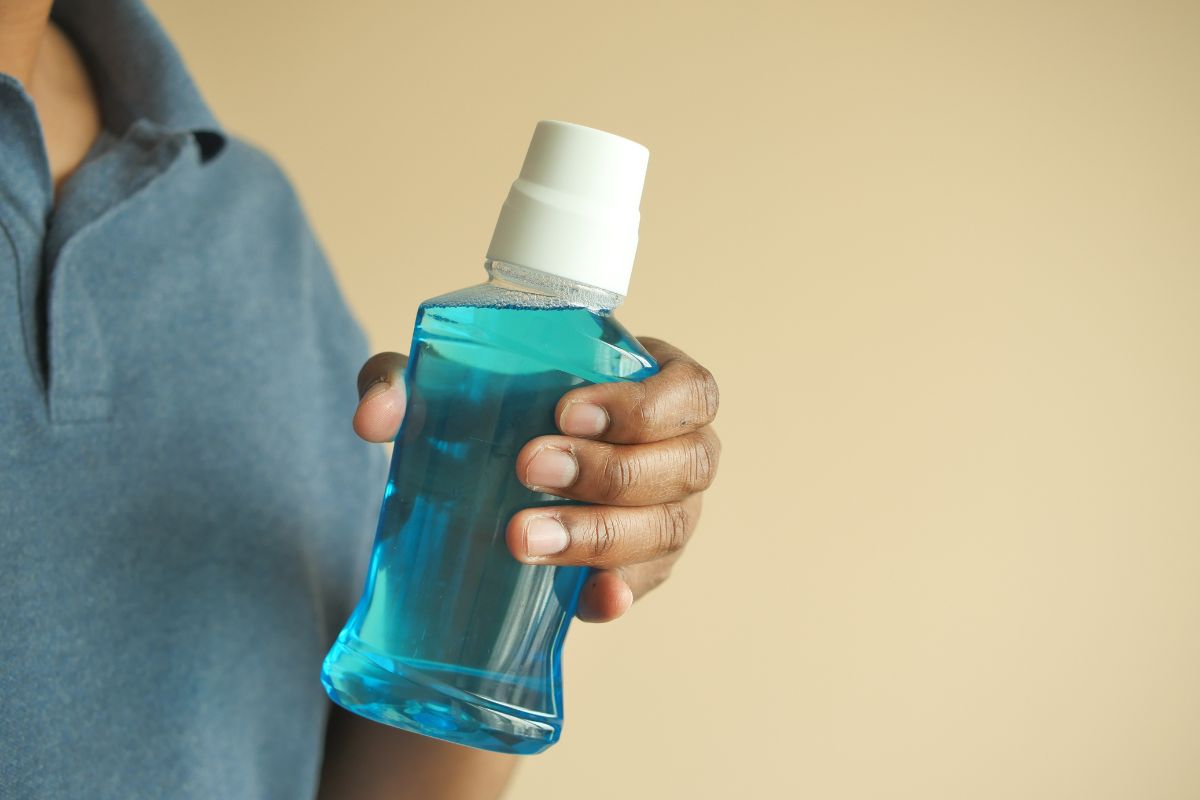
Keeping your mouth fresh and clean has long been associated with a quick swish of mouthwash. That minty burn can make you feel like you’ve conquered all the germs in your mouth—but is it really doing you more harm than good? Many people are surprised to learn that not all mouthwashes are created equal, and overusing or choosing the wrong type can sometimes affect your oral health negatively.
If you’ve ever wondered whether mouthwash is bad for you, this blog breaks down the facts from the myths. Let’s uncover what our dentist wants you to know before you reach for that bottle.
What Does Mouthwash Actually Do?
Mouthwash, also known as oral rinse, is designed to help clean areas in your mouth that brushing and flossing may miss. Depending on the ingredients, it can:
- Reduce bacteria and plaque buildup
- Freshen breath instantly
- Help prevent tooth decay
- Ease minor gum inflammation
- Offer extra fluoride protection
However, the effects of mouthwash depend largely on how it’s used and what it contains. Not every product on the shelf provides the same benefits—and some may do more harm than good if used excessively.
The Good Side: Benefits of Using Mouthwash
When used properly, mouthwash can be an excellent addition to your oral hygiene routine. Here’s how it can help:
- Reduces Bacteria and Plaque:
Antibacterial mouthwashes with ingredients like chlorhexidine or cetylpyridinium chloride can significantly reduce the number of harmful bacteria in your mouth. This lowers your risk of gum disease and bad breath.
- Prevents Cavities:
Fluoride-based rinses strengthen enamel, making your teeth more resistant to decay. Your dentist may recommend a fluoride rinse if you’re prone to cavities or have braces.
- Freshens Breath:
Alcohol-based mouthwashes can temporarily eliminate odor-causing bacteria, giving you a burst of freshness—perfect for post-meal confidence.
- Helps Heal Mouth Sores:
Non-alcoholic or saltwater rinses can soothe mouth ulcers, canker sores, and gum irritation.
The Other Side: Potential Risks of Mouthwash
While mouthwash can be beneficial, excessive or incorrect use may have unintended consequences. Here are some concerns to be aware of:
- Alcohol-Containing Mouthwash May Dry Out Your Mouth
Many commercial rinses contain alcohol, which can dry out the oral tissues. A dry mouth creates an ideal environment for bacterial growth, which can worsen bad breath instead of improving it.
- It Might Mask Underlying Oral Issues
Persistent bad breath or gum bleeding could be signs of gum disease, infection, or tooth decay. Using mouthwash might temporarily hide these symptoms, delaying necessary dental care from your dentist.
- It Can Irritate Sensitive Mouths
For individuals with sensitive gums or oral tissues, harsh ingredients like menthol, alcohol, and peroxide can cause burning or irritation.
- Overuse May Disrupt the Natural Oral Microbiome
Your mouth contains both good and bad bacteria. Using strong antibacterial rinses too often can kill the good bacteria that help keep your mouth’s ecosystem balanced.
Choosing the Right Mouthwash for You
Selecting the right mouthwash depends on your dental needs. Here’s how to make the best choice:
- For cavity prevention: Look for a fluoride mouthwash.
- For fresh breath: Choose one with zinc or essential oils, not just alcohol.
- For gum health: Try an antibacterial rinse recommended by your
- For sensitive mouths: Go for alcohol-free or natural formulations.
Always read the labels and avoid products with high alcohol content or unnecessary additives. If you’re unsure which product suits you best, our Baton Rouge dentist can suggest a safe, effective option tailored to your oral health.
How Often Should You Use Mouthwash?
Moderation is key. Dentists generally recommend using mouthwash once or twice a day—preferably after brushing and flossing. Overuse can lead to dry mouth or sensitivity.
Here’s a simple daily routine to follow:
- Brush your teeth for two minutes with fluoride toothpaste.
- Floss to remove debris between teeth.
- Rinse with mouthwash for about 30 seconds.
- Avoid eating or drinking for 30 minutes afterward to let it work effectively.
When to Skip Mouthwash
There are certain situations where skipping mouthwash might be better for your oral health:
- If you have open wounds or mouth sores (unless prescribed by your dentist)
- If you experience a burning sensation or dryness after use
- If your dentist has recommended avoiding it post-surgery or during specific treatments
When in doubt, always consult your dentist before using or changing mouthwash products.
FAQs
Can mouthwash replace brushing and flossing?
No. Mouthwash complements brushing and flossing, but doesn’t remove plaque or debris on its own.
Is alcohol-free mouthwash better?
For many people, yes. Alcohol-free rinses are gentler and prevent dry mouth, especially for those with sensitive gums.
How long should I swish mouthwash?
Most products recommend swishing for 30 seconds to one minute for best results.
Can mouthwash whiten teeth?
Some mouthwashes contain mild whitening agents, but they’re not as effective as professional whitening treatments.
Should children use mouthwash?
Children under six should generally avoid mouthwash unless prescribed by a dentist, as swallowing it can be harmful.
Final Takeaway
Mouthwash isn’t bad for you—but it’s not a one-size-fits-all solution either. It’s a helpful addition to brushing and flossing, not a replacement. Choosing the right formula and using it in moderation ensures it supports your dental health rather than harming it.
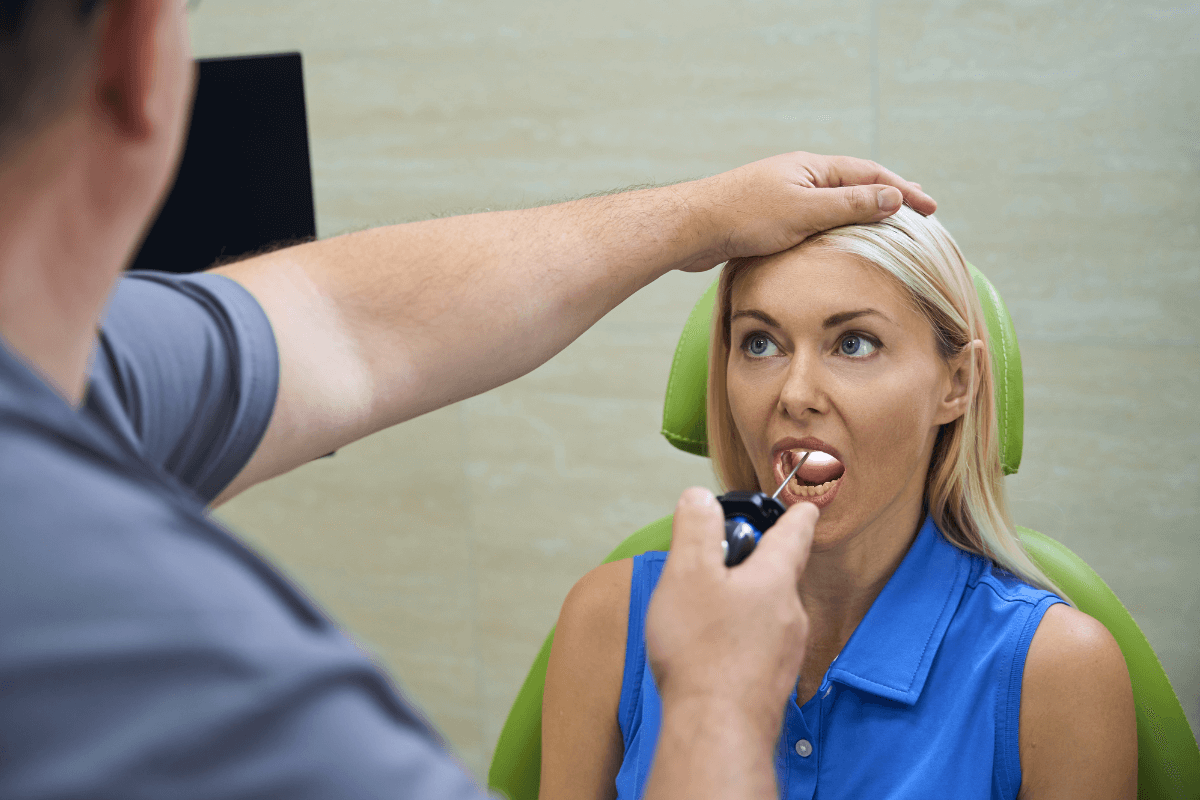
At our dental office in Baton Rouge, the goal is to help you maintain a clean, healthy smile with safe and effective practices. If you’re uncertain about which mouthwash suits your needs, schedule a consultation with our trusted dentist to get personalized advice for your oral care routine.