
If you are going through Invisalign treatment, you have probably wondered why your trays change so often. Understanding why your Invisalign trays change every two weeks — and what that really does — helps you stay motivated in Baton Rouge and beyond. The science behind each tray switch is actually fascinating. Dr. Stephanie Babin at Babin Dental wants every patient to understand exactly how their smile is being transformed.
How Invisalign Actually Moves Your Teeth
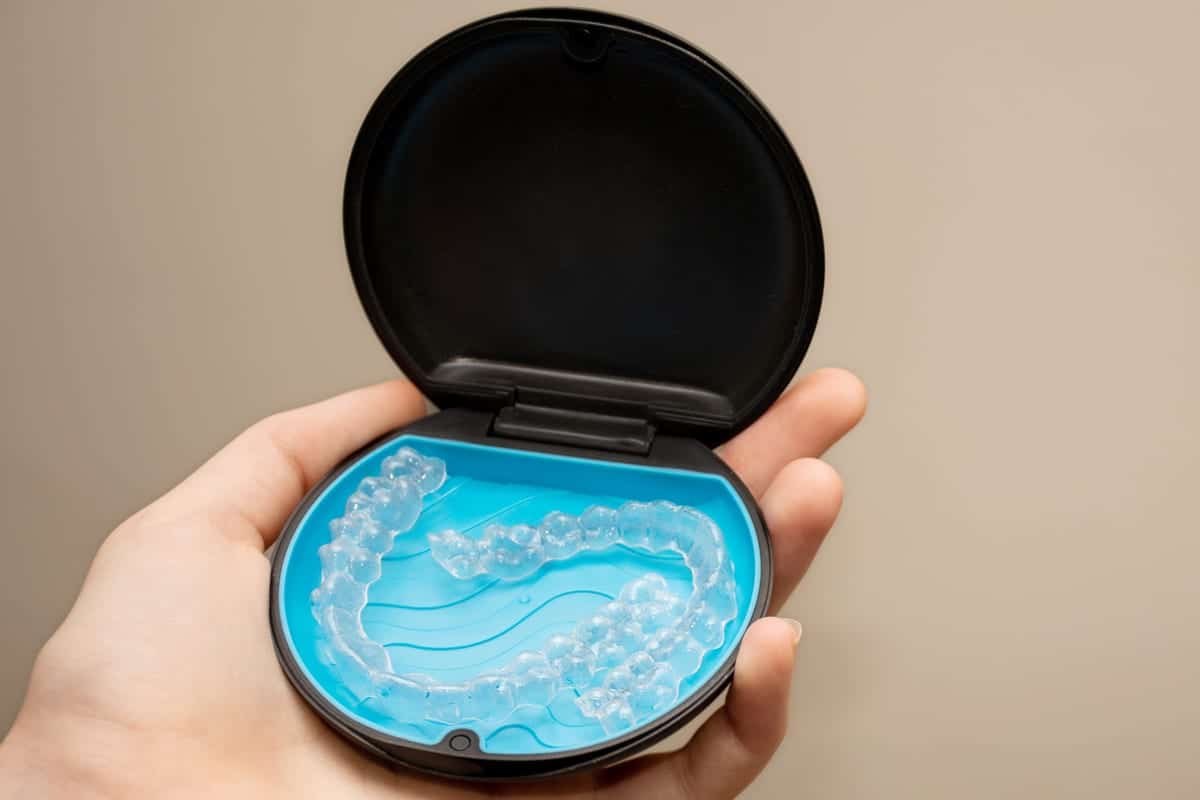
Invisalign works by applying gentle, consistent pressure to your teeth. Each aligner is custom-made to fit your teeth at a very specific stage of movement. The tray is slightly different from your current tooth position. That small difference is what creates the force needed to shift teeth.
Your teeth sit in a soft tissue called the periodontal ligament. When pressure is applied, this ligament sends signals to your body. Bone cells on one side break down, and new bone forms on the other side. This biological process is called bone remodeling — and it is the same mechanism used by traditional braces.
Invisalign simply delivers this process through clear, removable plastic trays. Each tray moves specific teeth by a fraction of a millimeter. Over dozens of trays, those tiny movements add up to a dramatically straighter smile. It is precise, predictable, and carefully planned from the very start.
Why the Two-Week Tray Change Schedule Matters in Baton Rouge
The two-week interval is not random. It is carefully timed to match your body’s bone remodeling cycle. After about 14 days, your teeth have largely settled into their new positions. Switching to the next tray at this point keeps the momentum going without overstressing your tissues.
Changing too early can cause discomfort and damage. Waiting too long can allow teeth to settle too firmly, making the next tray feel unnecessarily tight. Two weeks is the sweet spot that Invisalign’s clinical research has consistently supported.
- Days 1–3: You feel pressure as teeth begin to shift
- Days 4–7: Discomfort fades as your bone starts remodeling
- Days 8–14: Teeth settle into the new position
- Day 14+: You are ready for the next tray
Some patients in Baton Rouge may be advised to wear each tray for 7–10 days instead. Dr. Babin will evaluate your case individually and recommend the right schedule for your specific treatment plan.
What Attachments Do — and Why They Help
You may have noticed small tooth-colored bumps on some of your teeth. These are called attachments, and they are a key part of how Invisalign handles complex movements. Attachments act like handles that give the tray more grip and leverage.
Without attachments, plastic trays can only push teeth in straightforward directions. Attachments allow for rotation, extrusion, and more precise tilting. They are bonded directly to your enamel and matched to your tooth color. Most people barely notice them — but they do a lot of heavy lifting.
- Attachments improve control over difficult tooth movements
- They allow Invisalign to treat more complex cases
- They are removed painlessly at the end of treatment
- They do not damage your enamel when properly placed
Dr. Babin takes great care when placing and removing attachments. They are a normal part of most Invisalign plans and nothing to be concerned about. If you have questions about your attachments, bring them up at your next progress appointment.
Understanding Refinements in Your Invisalign Journey
Sometimes, teeth do not move exactly as planned. When that happens, your provider may recommend refinements. Refinements are a new series of aligners created to fine-tune your results after your initial set is complete.
Refinements are extremely common and not a sign that anything went wrong. Teeth are living structures attached to living tissue. Minor biological variations can cause slight deviations from the original digital plan. Refinements simply correct for those variations.
Here is what to expect if you need refinements:
- Dr. Babin takes new scans of your teeth
- A new set of aligners is ordered through Invisalign’s system
- You continue wearing your final tray while you wait
- The new series typically involves fewer trays than the original
- Final results are checked again at your follow-up visit
Think of refinements as a precision polish on your smile. Many patients who achieve outstanding results go through at least one round. It is part of a thorough, patient-centered treatment process.
Invisalign as Part of a Broader Smile Transformation
Invisalign straightens teeth beautifully. But many Baton Rouge patients discover they want to address more than alignment alone. If you are interested in brightening, reshaping, or restoring your smile further, Cosmetic Dentistry Baton Rouge services at our Hillary Court location can help. For patients closer to our Picardy Avenue area, explore Cosmetic Dentistry Baton Rouge options at that location as well.
Combining Invisalign with teeth whitening or bonding after treatment is a popular choice. Straightening first ensures cosmetic enhancements are applied to a properly aligned smile. Dr. Babin will walk you through all your options during your consultation. A complete smile plan gives you the most satisfying, lasting results.
Tips for Getting the Most from Every Tray Change
Your results depend heavily on how consistently you follow the treatment plan. Wearing your trays for at least 20–22 hours per day is non-negotiable. Skipping wear time delays tooth movement and can throw off your entire schedule.
Here are a few habits that help maximize each two-week cycle:
- Switch to a new tray at night so initial pressure fades while you sleep
- Use chewies to seat trays fully against your teeth
- Clean trays daily to prevent buildup that affects fit
- Never eat or drink anything except water while wearing aligners
Bring any concerns to Dr. Babin before your next tray change. Small issues are much easier to address early. Consistent communication keeps your treatment on track and on time.
Your Next Step Toward a Straighter Smile
Understanding why your Invisalign trays change every two weeks makes the process feel far less mysterious. Each tray switch is a deliberate, science-backed step toward your final result. Dr. Stephanie Babin and the team at Babin Dental in Baton Rouge are here to guide you through every stage. Book Now to schedule your appointment with our team.
Frequently Asked Questions
Why do Invisalign trays need to be changed every two weeks?
Each tray applies gentle pressure that gradually moves your teeth into a new position. After roughly 14 days, your teeth have shifted enough to accommodate the next tray. The two-week interval aligns with your body’s natural bone remodeling cycle. Changing on schedule keeps treatment progressing efficiently and comfortably.
What happens if I wear my Invisalign tray longer than two weeks?
Wearing a tray beyond the recommended period will not harm your teeth. However, it may allow them to settle too firmly into position. This can make the next tray feel more uncomfortable than necessary. It may also extend your overall treatment timeline.
Are Invisalign attachments always necessary?
Not every patient requires attachments. They are used when specific tooth movements need additional grip or leverage. Dr. Babin will assess your case digitally before treatment begins and let you know in advance. Attachments are tooth-colored and blend naturally with your smile.
What are Invisalign refinements, and will I need them?
Refinements are additional aligners created after your initial series is complete. They fine-tune any teeth that did not move exactly as planned. Refinements are very common and are a normal part of achieving precise results. Dr. Babin will monitor your progress and recommend refinements if needed.
How many hours a day do I need to wear my Invisalign trays?
Invisalign recommends wearing your trays for 20 to 22 hours per day. This means removing them only for eating, drinking non-water beverages, and oral hygiene. Consistent wear time is the single biggest factor in staying on schedule. Falling short of this daily goal can delay your final results significantly.