
If you’ve been wondering whether you’re actually a good candidate for dental implants in Baton Rouge, you’re not alone. Many patients come to Babin Dental with that exact question. Dental implants are one of the most reliable tooth replacement options available today. But they’re not the right fit for everyone — and knowing the difference matters.
Dr. Stephanie Babin believes every patient deserves honest, straightforward answers. This guide walks through the key factors that determine implant candidacy. We’ll cover age, bone density, health conditions, and lifestyle habits like smoking. By the end, you’ll have a clearer picture of where you stand.
What Makes Someone a Good Candidate for Dental Implants in Baton Rouge?
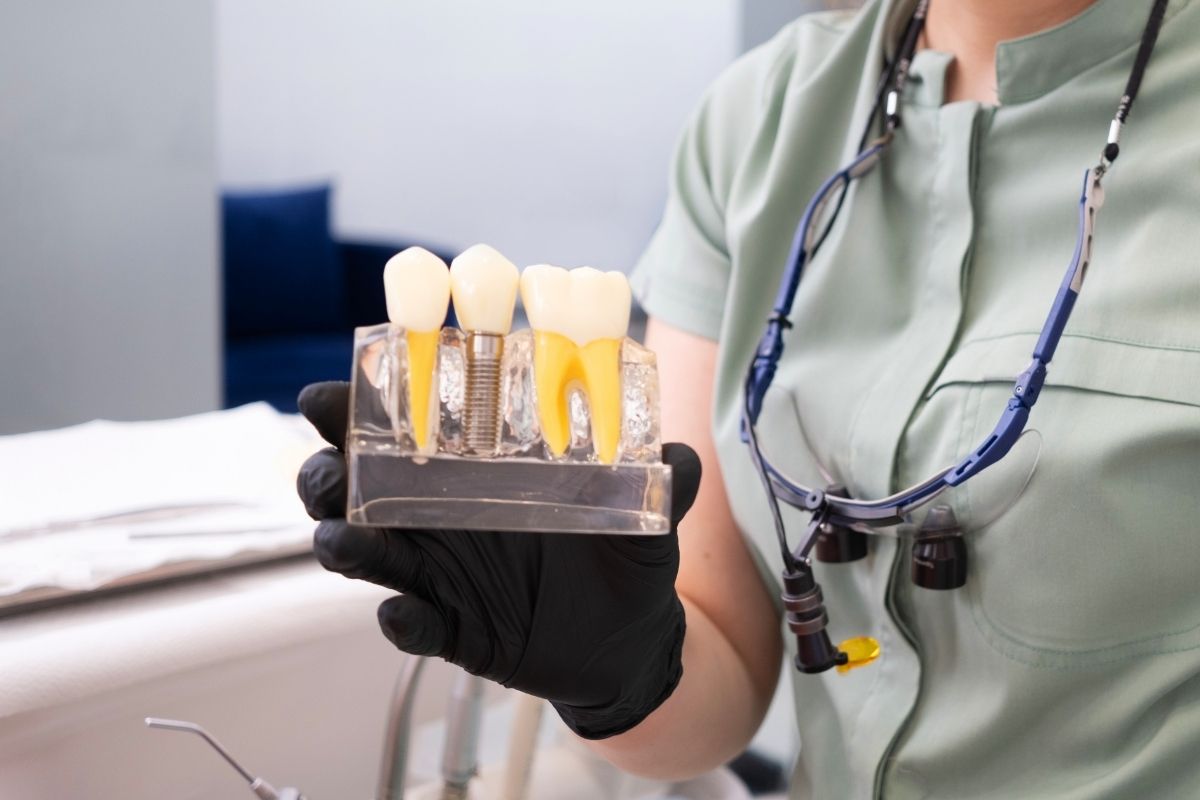
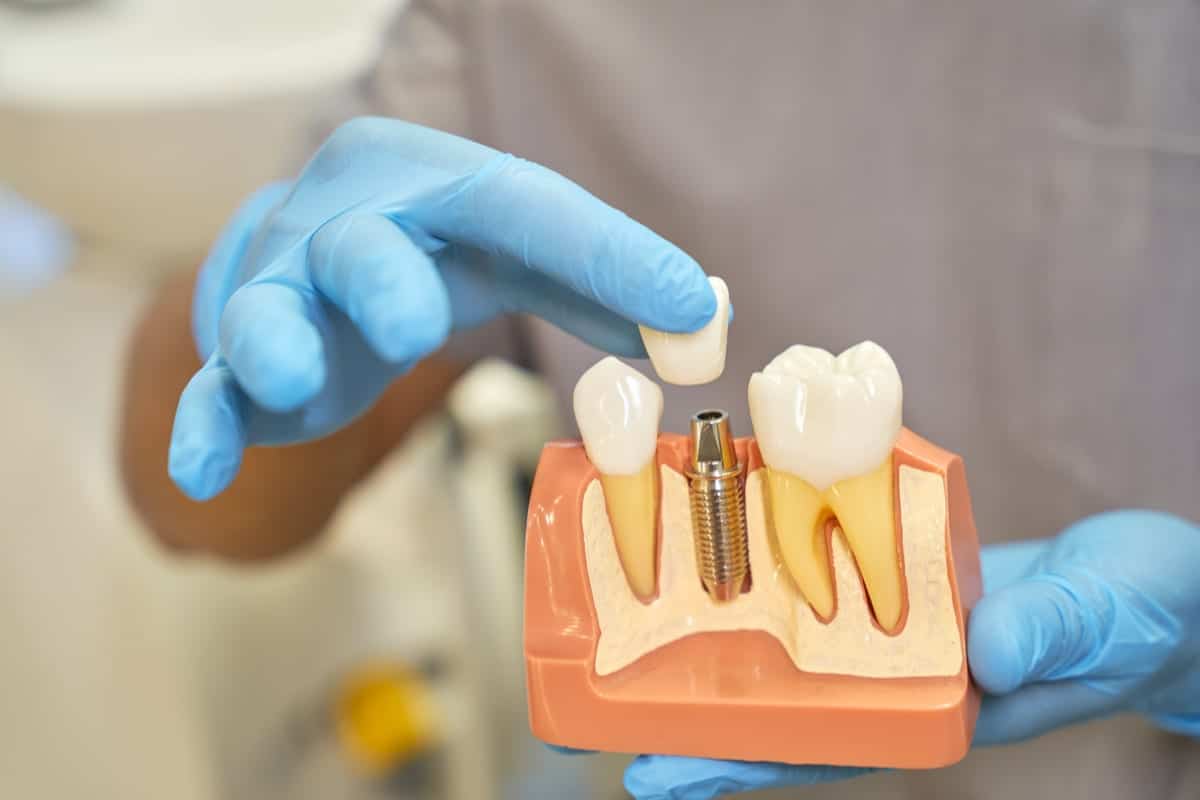
Dental implants work by fusing with your jawbone through a process called osseointegration. That means your body needs to support the implant over time. Several core factors influence whether that process will succeed.
The most important qualities of a strong implant candidate include:
- Adequate jawbone density to support the implant post
- Healthy gum tissue free from active periodontal disease
- Good overall physical health and a functioning immune system
- A commitment to daily oral hygiene and routine dental visits
- Non-smoking status or willingness to quit before and after surgery
Meeting most of these criteria gives you a strong foundation. However, not meeting one doesn’t automatically disqualify you. Dr. Babin evaluates each patient individually before making any recommendations.
Does Age Affect Your Eligibility for Dental Implants?
Age is a common concern for both younger and older patients. The short answer is that implants are generally suitable for adults of nearly any age. However, there are important nuances on both ends of the spectrum.
For younger patients, the jaw must be fully developed before implant placement. This typically happens in the late teens or early twenties. Placing an implant too early can disrupt jaw growth and lead to complications.
For older adults, age alone is rarely a barrier. Many patients in their 60s, 70s, and beyond receive implants successfully every year. The key concerns shift toward bone density and overall health rather than the number of years lived.
Seniors should discuss any age-related health changes honestly with Dr. Babin. A thorough evaluation helps determine whether implants are the safest and most effective option for your situation.
How Does Bone Density Impact Dental Implant Success?
Bone density is one of the most critical factors in implant candidacy. The implant post needs solid bone to anchor into. Without enough density, the implant may not integrate properly and could fail over time.
Bone loss in the jaw often occurs after tooth loss. The longer a tooth has been missing, the more bone may have deteriorated. This is one reason dentists recommend addressing missing teeth sooner rather than later.
The good news is that insufficient bone doesn’t always mean implants are off the table. Bone grafting is a procedure that can rebuild lost bone mass before implant placement. Many patients who initially lack adequate density become strong candidates after a successful graft.
Dr. Babin uses advanced imaging technology to assess your bone structure accurately. This helps create a personalized treatment plan that accounts for your specific anatomy.
Health Conditions That Can Affect Dental Implant Candidacy
Certain systemic health conditions can influence how well your body heals after implant surgery. This doesn’t mean implants are impossible — it means they require careful planning and honest communication.
Conditions that may affect candidacy include:
- Uncontrolled diabetes: High blood sugar slows healing and increases infection risk
- Autoimmune disorders: Some conditions interfere with osseointegration
- Osteoporosis: Affects bone density and may complicate implant stability
- Heart disease: Certain medications or health risks may require medical clearance
- Active cancer treatment: Radiation or chemotherapy can impact healing significantly
Many patients with these conditions still receive implants successfully. The key is working with a dentist who communicates with your other healthcare providers. Dr. Babin takes a whole-health approach to every implant consultation.
Medications also matter. Some drugs, particularly bisphosphonates used for osteoporosis, can affect jaw bone health. Always share your full medication list during your consultation.
Does Smoking Disqualify You From Getting Dental Implants?
Smoking is one of the most significant risk factors for implant failure. Tobacco reduces blood flow to the gums and slows the healing process. It also increases the risk of infection around the implant site.
Studies consistently show that smokers have higher implant failure rates than non-smokers. This is true for both cigarettes and smokeless tobacco products. Vaping and e-cigarettes also carry similar risks due to their effects on oral tissue.
Does smoking automatically disqualify you? Not necessarily. Many dentists recommend quitting smoking before and after implant surgery to improve outcomes. Patients who successfully stop smoking often become much stronger candidates.
If you currently smoke and are interested in dental implants, be upfront with Dr. Babin. Together, you can create a realistic plan that gives your implants the best possible chance of success.
What About Patients With Gum Disease?
Active gum disease is a firm contraindication for dental implants. Bacteria from periodontal infections can attack the tissue and bone surrounding a new implant. This dramatically increases the risk of a condition called peri-implantitis, which can cause implant failure.
The encouraging news is that gum disease is treatable. Patients who address periodontal disease before implant placement often go on to become excellent candidates. Treatment might include deep cleaning, scaling, root planing, or other periodontal therapies.
Dr. Babin always screens for gum disease before discussing implants. If issues are found, she’ll recommend treatment first. Getting your gum health under control is a necessary and worthwhile step in the process.
How Dental Implants Fit Into Your Overall Smile Goals
For many patients, dental implants are just one part of a broader smile transformation. Implants restore function and prevent bone loss — but they can also be paired with other treatments to enhance appearance.
Patients exploring Cosmetic Dentistry Baton Rouge often find that implants work beautifully alongside treatments like teeth whitening or porcelain veneers. For those at our Picardy location, Cosmetic Dentistry Baton Rouge services are also available to help complete your smile goals.
Combining implants with cosmetic treatments creates a comprehensive result. Your restored tooth blends naturally with surrounding teeth. The outcome feels and looks like your own healthy smile.
Taking the Next Step Toward Dental Implants in Baton Rouge
Determining whether you’re a good candidate for dental implants requires a professional evaluation — not just an online quiz. X-rays, bone scans, and a full medical and dental history all play a role. There’s no substitute for sitting down with an experienced implant dentist who listens to your goals.
Dr. Stephanie Babin and the team at Babin Dental are here to help Baton Rouge patients navigate this decision with confidence. You’ll receive an honest, pressure-free assessment of your candidacy. From there, you’ll understand all available options — not just implants.
If you’ve been putting off this conversation, now is the time to start it. Your smile and your long-term oral health deserve real attention. Book Now to schedule your appointment with our team.
Frequently Asked Questions
What is the minimum age for dental implants?
Most dentists recommend waiting until the jaw has fully developed, which typically occurs in the late teens or early twenties. For younger patients, Dr. Babin will assess jaw development before proceeding. There is no maximum age limit for dental implants.
Can I get dental implants if I have diabetes?
Patients with well-controlled diabetes can often receive dental implants successfully. Uncontrolled blood sugar increases infection risk and slows healing, which can compromise results. Dr. Babin works closely with patients and their physicians to ensure the safest possible approach.
How long does the dental implant process take?
The timeline varies depending on your individual situation. For straightforward cases, the process from placement to final restoration may take three to six months. Patients who need bone grafting or periodontal treatment first may require additional time before implant placement.
Is bone grafting always necessary before getting dental implants?
Not always. Some patients have sufficient bone density for immediate implant placement. Others — particularly those who have had missing teeth for a long time — may need a bone graft first. Advanced imaging at our office helps determine which path is right for you.
Will quitting smoking improve my chances of implant success?
Yes, significantly. Stopping tobacco use before and after implant surgery greatly improves healing and reduces failure risk. Many former smokers go on to have highly successful implant outcomes. Talk to Dr. Babin about timing and support resources if you’re ready to quit.