
Missing one or more teeth can affect more than your smile. It may make chewing difficult, change how you speak, and leave nearby teeth vulnerable to shifting. If you are considering tooth replacement, dental implants, dentures, and bridges are three common options worth exploring.
Each treatment offers different benefits depending on your oral health, the number of missing teeth, your budget, and your long-term goals. Understanding how these options compare can help you prepare for a conversation with your dentist and choose a solution that meets your needs.
Understanding the Main Tooth Replacement Options
Before comparing dental implants vs. dentures vs. bridges, it helps to understand how each treatment works.
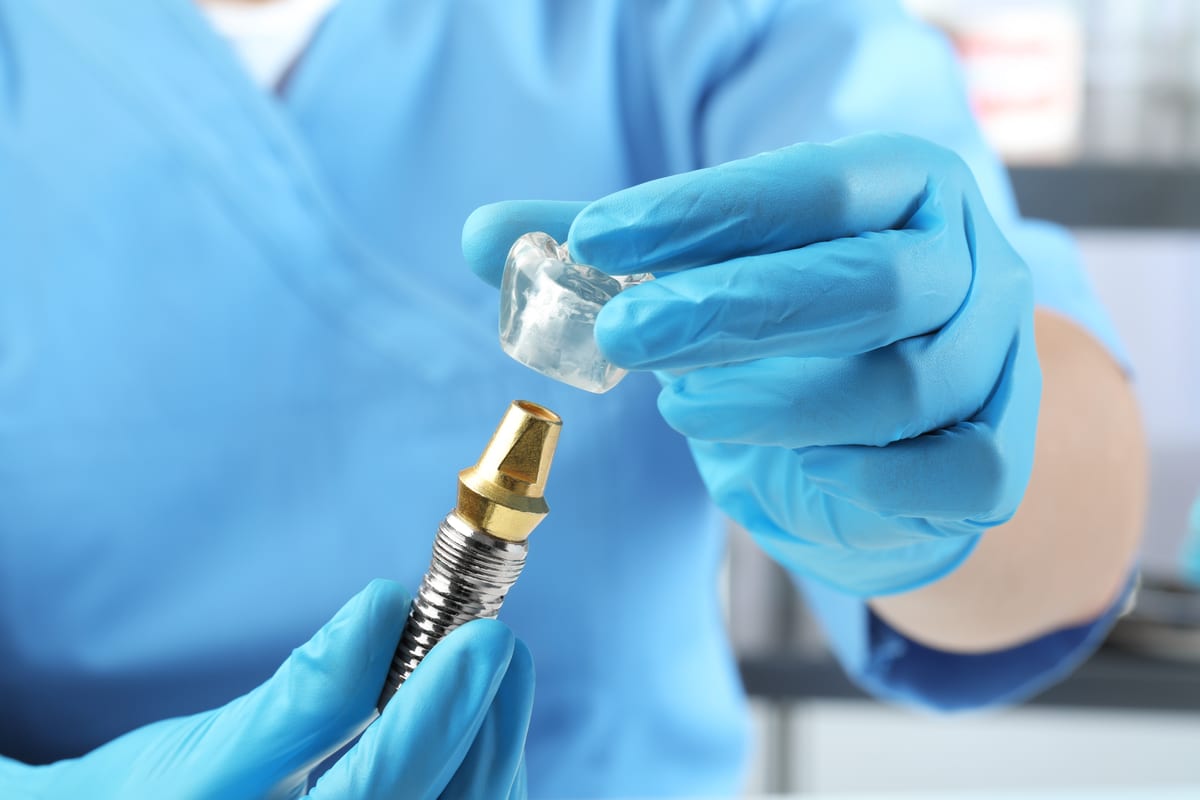
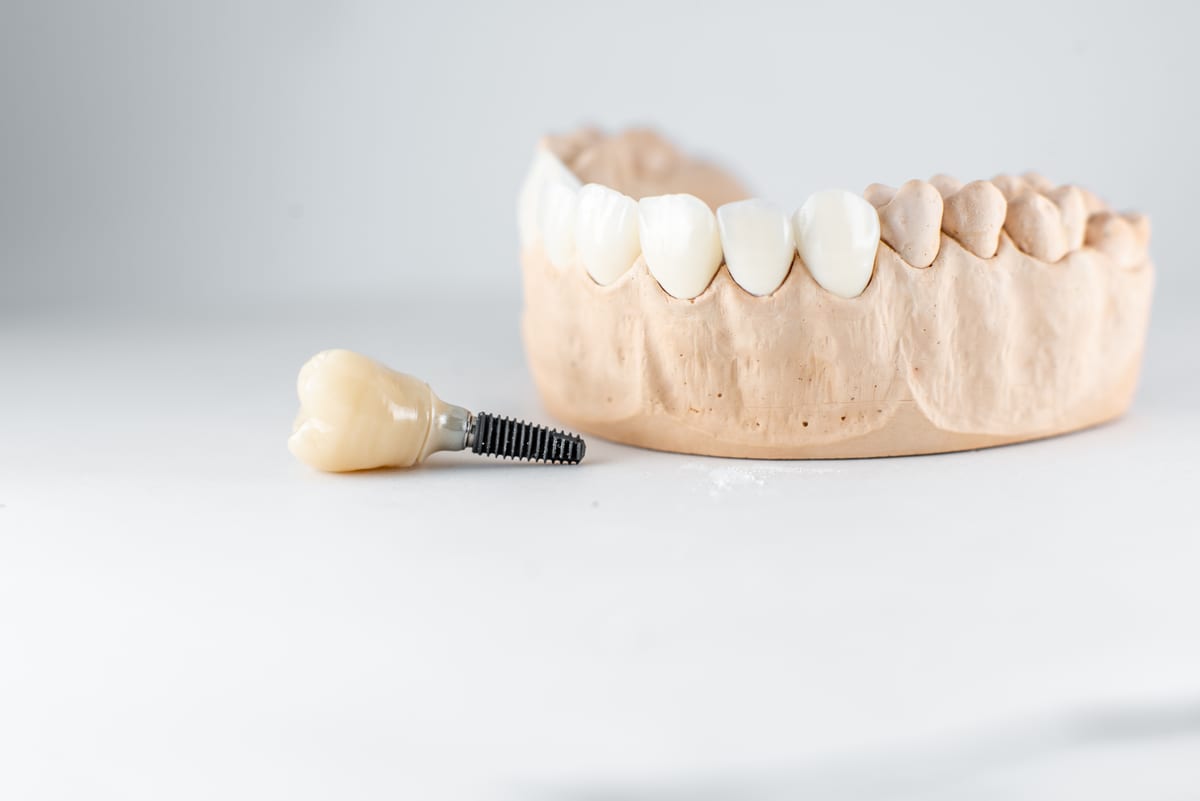
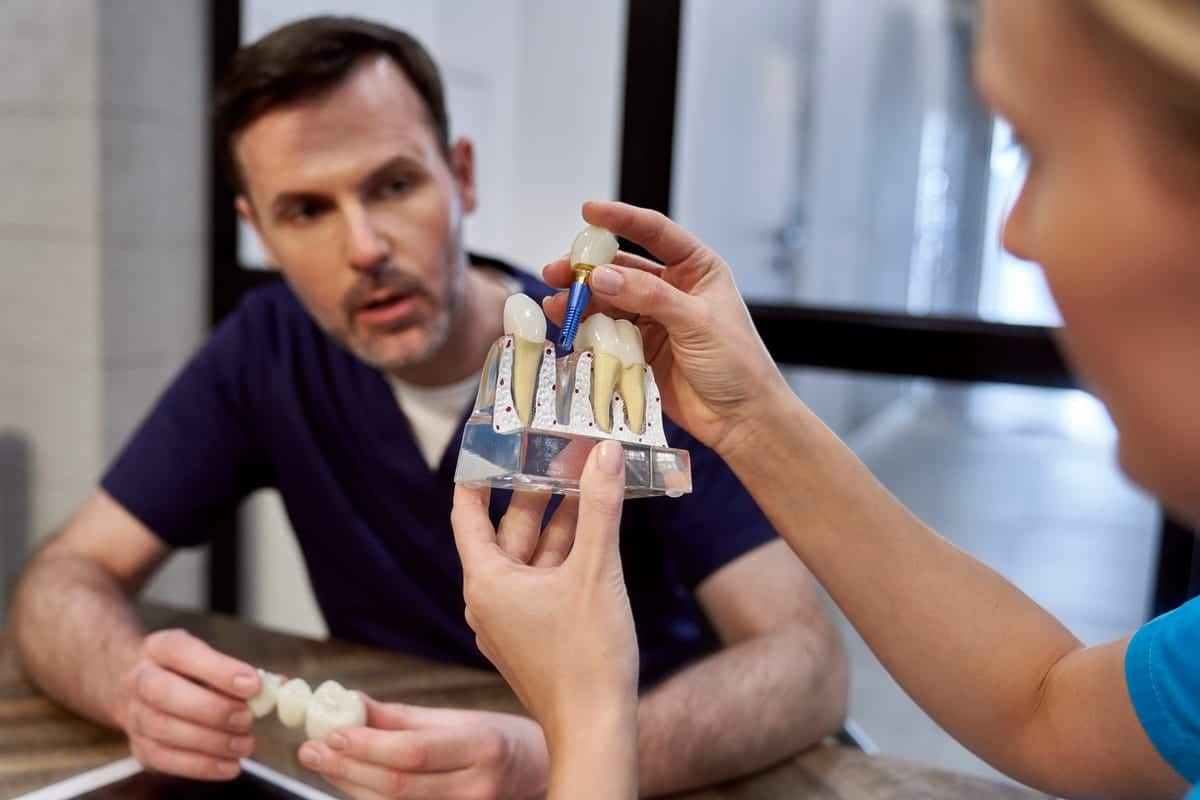
- Dental implants use small posts, usually made of titanium, that are surgically placed in the jawbone. Once the implant integrates with the bone, it can support a crown, bridge, or denture, depending on how many teeth need replacement.
- Dental bridges replace one or more missing teeth by attaching artificial teeth to supporting teeth or, in some cases, dental implants. Traditional bridges typically require reshaping the adjacent teeth to hold the restoration securely.
- Dentures are removable appliances designed to replace several missing teeth or an entire arch. Partial dentures replace some teeth, while complete dentures replace all teeth in the upper or lower arch.
Although all three options restore appearance and chewing function, they differ in stability, maintenance, and their effects on the surrounding oral structures.
Dental Implants vs. Dentures vs. Bridges: What Sets Them Apart?
Choosing between these treatments involves more than appearance. Consider how each option functions in everyday life.
- Dental implants: Provide a fixed replacement when restored with a crown or bridge. They help stimulate the jawbone and can offer long-term stability with proper care.
- Dental bridges: Provide a fixed solution without requiring implant surgery. Traditional bridges rely on supporting teeth, which may need permanent enamel removal.
- Dentures: Replace multiple teeth without requiring an implant for support. They must be removed for cleaning and may need adjustments as the mouth changes.
One important difference is their effect on the jawbone. After tooth loss, the bone in that area can gradually shrink because it no longer receives stimulation from the natural tooth root. Dental implants can help preserve bone around the implant site by transferring chewing forces to the jawbone. Bridges and conventional dentures do not provide the same direct stimulation. However, they remain valuable options for patients who are not suitable candidates for implants or prefer a different treatment approach.
When comparing dental implant treatment in Baton Rouge with bridges and dentures, consider the total expected cost over time rather than the initial fee alone. A consultation can help you understand which procedures you need, what your treatment may cost, and whether payment or financing options are available.
Who May Benefit From Each Treatment?
Your dentist will consider the condition of your gums, remaining teeth, jawbone, medical history, and treatment preferences before recommending a solution.
Dental implants may suit patients who want a stable, fixed replacement and have sufficient bone to support the implant. Some patients with bone loss may still qualify after bone grafting or other preparatory treatment. Smoking, certain medical conditions, and gum disease can affect healing and should be discussed before surgery.
Dental bridges may be appropriate when one or a few teeth are missing and the surrounding teeth can provide reliable support. A bridge can restore chewing function without implant placement, although preparing healthy supporting teeth is an important consideration.
Dentures may be a practical choice for patients missing several teeth or a complete arch. They can restore appearance and function without requiring implant surgery. Some patients may prefer implant-supported dentures if they want additional retention and stability.
If you are unsure which option fits your situation, a dental evaluation can help you compare the benefits, limitations, and preparation required for each treatment.
Comparing Treatment Costs and Long-Term Durability
The initial cost of tooth replacement can vary considerably. Dental implants often involve a higher upfront investment because treatment may include surgery, imaging, and a custom restoration. Bone grafting or other preparatory procedures can add to the total. Traditional bridges and conventional dentures may have lower initial costs, depending on the number of teeth being replaced and the complexity of treatment. However, they may require repairs, adjustments, or replacement over time.
Dental implants can last many years, and the implant itself may last decades with proper care. The crown attached to an implant can wear down or need replacement. Bridges commonly last around 10 to 15 years, while dentures may need relining, adjustment, or replacement as the mouth changes. These are general estimates, not guarantees.
How Appearance, Comfort, and Daily Care Compare
All three treatments can improve your smile when properly designed and fitted. Dental implants with custom crowns are made to resemble natural teeth, while bridges can blend with neighboring teeth. Modern dentures can also provide a natural-looking result when fitted to your mouth and facial features. Daily maintenance differs between options. Implant-supported crowns and bridges need regular brushing, flossing, and professional dental cleanings. Special flossing tools or interdental brushes may be recommended for cleaning beneath a bridge or around an implant.
Dentures require daily cleaning and should be removed as directed by your dentist. They may also need periodic adjustments to maintain a comfortable fit. Patients exploring implant dentistry may want to ask whether an implant-supported bridge or denture could address several missing teeth. The appropriate design depends on the location of the gaps, bone support, bite, and overall oral health.
Choosing the Right Option for Your Smile
There is no single tooth replacement solution that works best for everyone. Dental implants may offer excellent stability and help preserve the jawbone, bridges can restore missing teeth without implant surgery, and dentures can replace multiple teeth or an entire arch. At Babin Dental, Dr. Stephanie Babin can evaluate your oral health, discuss your priorities, and explain which options may be appropriate for your needs. A personalized treatment plan can help you understand the benefits, limitations, and long-term care associated with each choice.
If you are ready to explore your tooth replacement options, schedule an appointment with Babin Dental to discuss the next steps toward restoring your smile.
Frequently Asked Questions
Are dental implants better than dentures or bridges?
Dental implants may offer greater stability and help preserve the jawbone, but they require surgery and adequate support for successful placement. Bridges and dentures can be suitable alternatives depending on your oral health, budget, and treatment goals.
How long do dental implants, bridges, and dentures last?
Dental implants can last for decades with proper care, although their crowns may need replacement. Bridges often last around 10 to 15 years, while dentures may need adjustments or replacement as the shape of your mouth changes.
Can dental implants replace several missing teeth?
Yes. Depending on your oral health and bone support, multiple implants can support individual crowns, an implant-supported bridge, or an implant-supported denture. Your dentist can determine the appropriate approach after an examination.
Are dentures a good option if I have lost most of my teeth?
Yes. Complete or partial dentures can restore appearance and chewing function for patients missing many teeth. Implant-supported dentures may provide additional stability for eligible patients.
What should I consider before choosing dental implant treatment?
Consider your jawbone health, gum condition, medical history, treatment timeline, budget, and willingness to undergo surgery. Your dentist can explain whether additional procedures are necessary and compare implants with other replacement options.
How do I choose between a dental bridge and a dental implant?
A bridge may be appropriate when adjacent teeth can support the restoration, while an implant replaces the missing tooth root without relying on neighboring natural teeth for support. Your dentist can assess the condition of your teeth and jawbone to help you decide.