
Mouth ulcers are a common oral health issue that many people experience at some point in their lives. While most ulcers heal on their own within a week or two, some can become painful, linger longer than expected, or signal an underlying dental or medical concern. Knowing when to seek professional care can help prevent unnecessary discomfort and ensure your oral health stays on track.
If you have a sore in your mouth that won’t heal or keeps coming back, it’s a good idea to visit a dentist for an evaluation. At Babin Dental, we help patients in Baton Rouge identify the cause of persistent mouth ulcers and recommend the most appropriate treatment to promote faster healing.
What Are Mouth Ulcers?
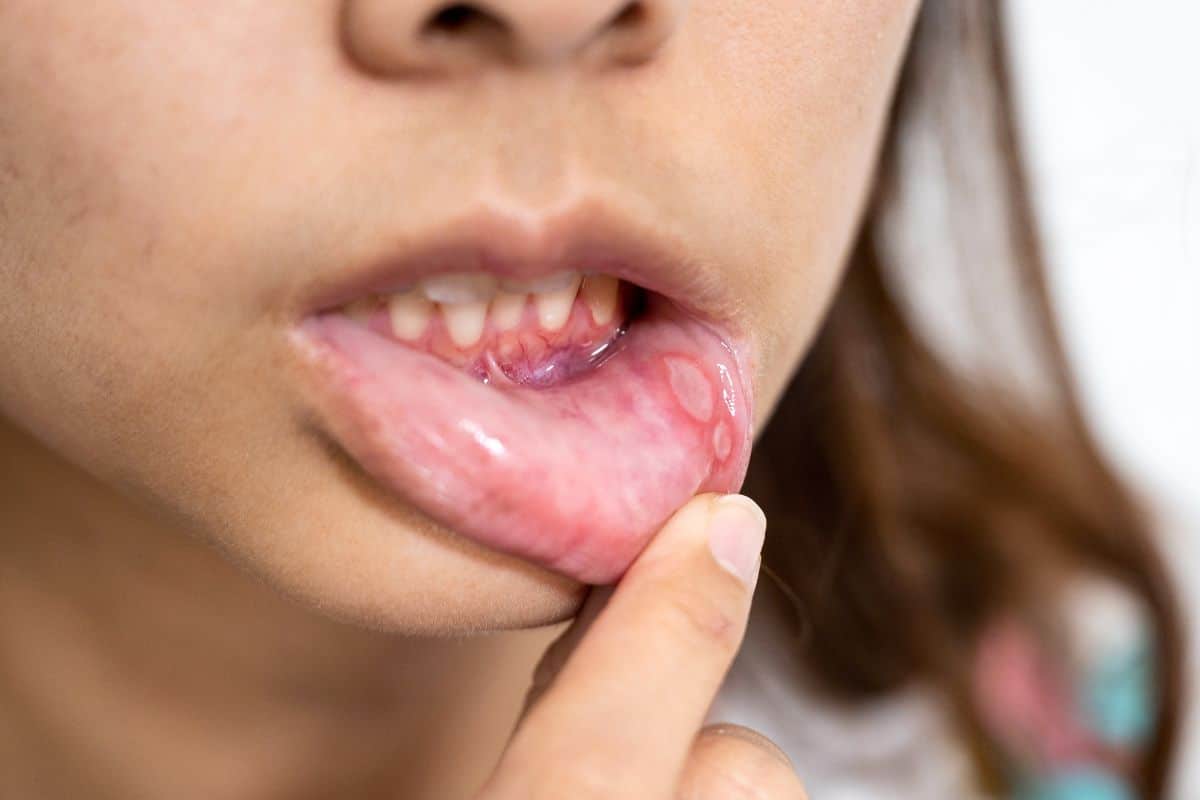
Mouth ulcers are small sores that develop on the inside of the cheeks, lips, tongue, gums, or the floor of the mouth. They often appear as white, yellow, or gray sores surrounded by a red border. Unlike cold sores, mouth ulcers are not contagious and usually occur inside the mouth.
Although they are generally harmless, they can make eating, drinking, brushing, and speaking uncomfortable.
Common Causes of Mouth Ulcers
There are several reasons why mouth ulcers develop. Some of the most common include:
- Accidentally biting your cheek or tongue
- Irritation from braces, dentures, or sharp teeth
- Aggressive brushing
- Stress or lack of sleep
- Vitamin B12, iron, or folate deficiencies
- Hormonal changes
- Certain medications
- Food sensitivities, especially to acidic or spicy foods
- Underlying health conditions that affect the immune system
Identifying the cause is an important step in preventing recurring ulcers.
Symptoms to Watch For
Most mouth ulcers are easy to recognize. Common symptoms include:
- A round or oval sore inside the mouth
- Pain or burning before the ulcer appears
- Discomfort while eating or drinking
- Sensitivity to spicy, salty, or acidic foods
- Redness around the affected area
In most cases, symptoms gradually improve as the ulcer heals.
When Should You Visit a Dentist?
While many mouth ulcers heal without treatment, some require professional attention. You should schedule an appointment with a dentist if you experience any of the following:
Your Ulcer Lasts More Than Two Weeks
A sore that does not heal within two weeks should be examined. Persistent ulcers may indicate an infection, ongoing irritation, or another condition that needs treatment.
You Have Frequent Mouth Ulcers
If mouth ulcers keep returning, your dentist can evaluate possible causes such as chronic irritation, nutritional deficiencies, or underlying health concerns.
The Pain Is Severe
Pain that interferes with eating, drinking, or speaking should not be ignored. Professional treatment may help relieve discomfort and support healing.
The Ulcer Is Large or Continues to Grow
Large ulcers or sores that increase in size deserve prompt evaluation to rule out more serious oral conditions.
You Notice Additional Symptoms
Seek dental care if your mouth ulcer is accompanied by:
- Fever
- Swollen lymph nodes
- Difficulty swallowing
- Unexplained weight loss
- Persistent bleeding
- Multiple ulcers appearing at once
These symptoms may require further examination and possible medical referral.
How a Dentist Diagnoses Mouth Ulcers
During your visit, your dentist will perform a thorough oral examination and discuss your symptoms, health history, and lifestyle habits.
Depending on your situation, they may evaluate:
- The size and appearance of the ulcer
- How long it has been present
- Whether it has occurred before
- Potential sources of irritation
- Your oral hygiene routine
- Existing dental restorations or appliances
If necessary, additional testing or a referral to a medical specialist may be recommended.
Treatment Options for Mouth Ulcers
Treatment depends on the cause and severity of the ulcer. Your dentist may recommend one or more of the following:
Removing the Source of Irritation
If a sharp tooth, dental restoration, or orthodontic appliance is causing the problem, smoothing or adjusting it can prevent continued irritation.
Prescription Medications
Medicated gels, mouth rinses, or topical treatments may help reduce inflammation, relieve pain, and promote healing.
Nutritional Recommendations
If vitamin deficiencies are suspected, your dentist may recommend dietary changes or supplements after appropriate evaluation.
Managing Underlying Conditions
Recurring ulcers sometimes result from other health concerns. Working with your primary care physician or specialist may be necessary to address the root cause.
Tips to Help Mouth Ulcers Heal
While your mouth heals, these simple habits may reduce discomfort:
- Brush gently using a soft bristled toothbrush.
- Choose a mild toothpaste that does not irritate sensitive tissues.
- Drink plenty of water.
- Avoid spicy, acidic, and crunchy foods until the sore improves.
- Do not pick at or touch the ulcer.
- Maintain good daily oral hygiene.
These measures can help create a healthier environment for healing.
Can Mouth Ulcers Be Prevented?
Although not every ulcer can be prevented, healthy habits can lower your risk. Consider these preventive steps:
- Practice consistent oral hygiene.
- Schedule routine dental checkups.
- Eat a balanced diet rich in essential vitamins and minerals.
- Stay hydrated.
- Manage stress whenever possible.
- Address damaged fillings, broken teeth, or poorly fitting dental appliances promptly.
Regular visits to a trusted dentist in Baton Rouge can also help identify potential problems before they become more serious.
Why Regular Dental Visits Matter
Many people assume mouth ulcers are always minor. However, persistent oral sores can occasionally indicate more significant dental or health concerns. Early evaluation provides peace of mind and allows treatment to begin sooner if needed. Routine examinations also give your dentist an opportunity to detect changes in your oral tissues that you may not notice on your own.
Choose Babin Dental for Personalized Oral Care
If you’re dealing with a painful or persistent mouth ulcer, the team at Babin Dental is here to help. As a trusted dentist in Baton Rouge, we provide comprehensive evaluations and personalized treatment plans to keep your smile healthy and comfortable. Whether your symptoms are new or recurring, we’ll work with you to identify the cause and recommend the best course of action.
Schedule your appointment today and let our experienced team help you protect your oral health with compassionate, patient-focused care.
Frequently Asked Questions
Are mouth ulcers contagious?
No. Mouth ulcers are not contagious and cannot be spread through kissing, sharing utensils, or close contact.
How long do mouth ulcers usually last?
Most minor mouth ulcers heal within 7 to 14 days without professional treatment.
Should I stop brushing if I have a mouth ulcer?
No. Continue brushing gently with a soft toothbrush to keep your mouth clean while avoiding further irritation.
Can stress cause mouth ulcers?
Yes. Stress is a common trigger for mouth ulcers in many people and may contribute to recurring sores.
Is every mouth ulcer a sign of oral cancer?
No. Most mouth ulcers are harmless. However, any sore that does not heal within two weeks should be evaluated by a dentist to rule out more serious conditions.