
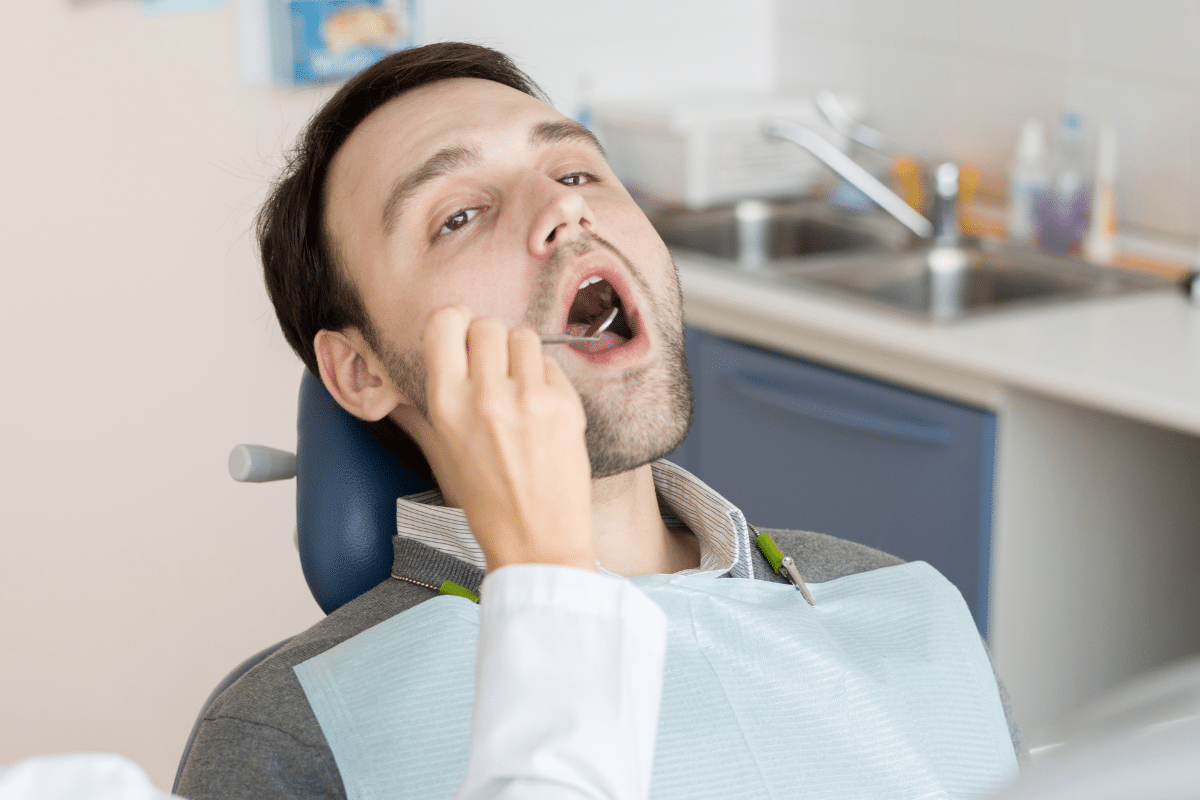
If you are dealing with severe tooth pain, swelling, bleeding gums, a broken tooth, or sudden sensitivity that will not go away, it may be time to see a dentist right away. Delaying care can allow a small issue to turn into a larger problem that affects your comfort, health, and smile. In Baton Rouge, many people wait too long before seeking care, often assuming discomfort will pass on its own. A quick visit to a dental office can often prevent infection, worsening pain, or more complex treatment later.
Knowing when symptoms should not be ignored helps you make informed decisions about your oral health. Here are some signs that mean you should contact a dental office immediately.
Severe Tooth Pain That Does Not Go Away
A mild ache may sometimes come and go, especially after eating something very cold or sweet. However, sharp, constant, or throbbing pain is different. Persistent pain may signal tooth decay, an infection, an abscess, or nerve irritation. If discomfort keeps you awake at night or affects eating and speaking, it should not be ignored.
A dental professional can examine the area and determine what is causing the pain before it becomes more serious. Waiting too long may lead to swelling, infection, or even tooth loss.
Swollen Gums or Facial Swelling
Swelling in the gums, jaw, or face is often a sign that something more serious is happening beneath the surface. An infection near the root of a tooth can spread and cause noticeable puffiness, tenderness, or warmth in the area. Some people also experience a bad taste in the mouth or drainage near the gums.
If facial swelling develops, seeking care quickly matters. A trusted dentist in Baton Rouge can evaluate the problem and recommend treatment before it worsens.
Bleeding Gums That Continue or Get Worse
Many people notice occasional bleeding while brushing or flossing and dismiss it as normal. In reality, bleeding gums are often a sign of irritation or gum disease. If bleeding happens regularly, worsens, or comes with tenderness and swelling, it deserves attention. Gum disease can progress silently and affect both oral health and overall wellness if untreated.
A skilled dental practitioner can help identify whether the issue is early gum inflammation or a more advanced condition requiring treatment.
A Chipped, Cracked, or Broken Tooth
Breaking or damaging a tooth can happen while eating hard foods, playing sports, or after an accident. Even if pain feels minor at first, a crack may expose sensitive inner layers of the tooth, increasing the risk of infection or additional damage. Sharp edges can also irritate your cheeks or tongue. Seeing a dentist promptly improves the chance of preserving the tooth and restoring normal function.
Sudden Tooth Sensitivity That Will Not Stop
Tooth sensitivity after ice cream or coffee may seem harmless, but sudden or severe sensitivity can point to an underlying issue. If drinking hot coffee or cold water causes lingering discomfort, there may be enamel damage, tooth decay, exposed roots, or a cracked tooth involved.
Instead of hoping the issue fades, it is better to have a dental professional assess the situation early. Quick treatment often prevents discomfort from worsening.
A Loose Adult Tooth
Adult teeth should never feel loose. Movement in a permanent tooth may happen due to injury, gum disease, infection, or damage to supporting structures around the tooth. Ignoring it could result in tooth loss. If you notice shifting, looseness, or pressure while biting, schedule an appointment immediately. Early treatment may improve the chances of saving the tooth.
Persistent Bad Breath or a Bad Taste in Your Mouth
Occasional bad breath after meals is common. Ongoing bad breath that does not improve with brushing, flossing, or mouthwash is different. A persistent unpleasant taste or smell can indicate infection, trapped bacteria, decay, or gum disease. A trusted dentist in Baton Rouge can identify the source and recommend the right care rather than masking the symptom temporarily.
Mouth Sores That Do Not Heal
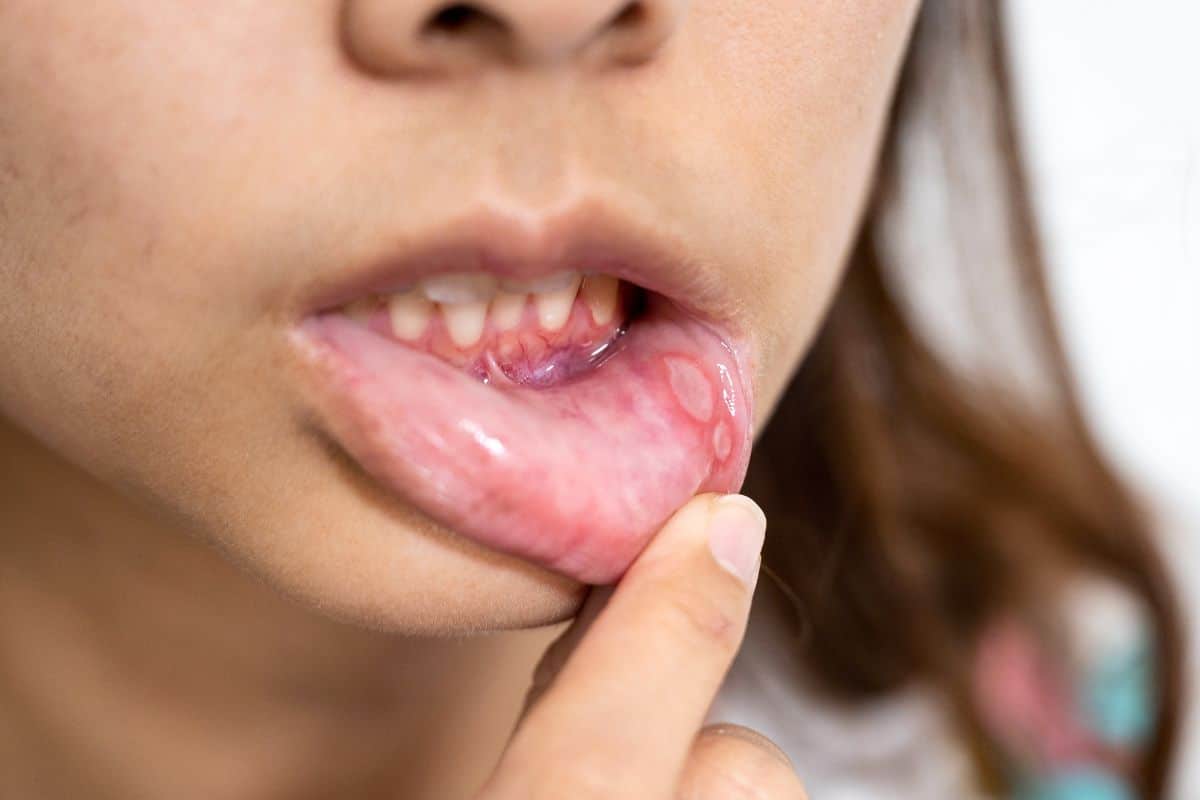
Small sores inside the mouth may heal naturally within a week or two. However, sores that linger, become painful, bleed, or change in appearance should be examined. A sore that does not improve may point to irritation, infection, or another oral concern that deserves attention. When in doubt, a dental practitioner can examine the area and guide the next steps.
Jaw Pain or Difficulty Chewing
Pain while chewing, jaw stiffness, or popping sounds in the jaw should not be ignored. These symptoms may be linked to teeth grinding, infection, jaw joint issues, or bite concerns. Trouble opening the mouth comfortably or chewing foods can interfere with daily life and may worsen over time. Seeking help early often makes treatment simpler and more comfortable.
Knocked-Out Tooth or Dental Injury
Dental injuries require fast action. If a tooth is knocked out, try to handle it gently by the crown rather than the root and seek care immediately. In some situations, a tooth can be saved when treated quickly. Cracked teeth, mouth injuries, or trauma after falls, sports, or accidents should also be evaluated right away.
Conclusion
Dental symptoms rarely improve by being ignored. Pain, swelling, bleeding gums, broken teeth, sudden sensitivity, and persistent bad breath are all signals worth taking seriously. Acting early often prevents bigger issues and helps preserve your long-term oral health. If something feels unusual or painful, trust your instincts and have it checked sooner rather than later. Prompt care can make a meaningful difference in comfort, treatment options, and recovery.
If you notice pain, swelling, bleeding, or another sudden change in your oral health, schedule an evaluation with Babin Dental in Baton Rouge. Getting concerns checked early can help protect your smile and prevent a minor issue from becoming a larger one.
FAQs
What symptoms mean I should see a dentist immediately?
You should see a dentist immediately if you have severe tooth pain, swelling in the gums or face, bleeding that will not stop, a broken tooth, sudden tooth sensitivity, a loose permanent tooth, or signs of infection such as pus or fever. These symptoms often signal problems that can worsen if left untreated.
How do I know if my tooth pain is an emergency?
Tooth pain may be considered urgent if it is severe, constant, throbbing, keeps you awake at night, causes swelling, or makes eating difficult. Pain that does not improve after a day or two should be checked by a dental professional.
Should I visit a dentist for swollen gums or facial swelling?
Yes. Swollen gums or facial swelling can be a sign of infection, gum disease, or an abscess. A trusted dentist can determine the cause and help prevent the condition from becoming more serious.
Is a cracked or chipped tooth considered a dental emergency?
A chipped or cracked tooth should be evaluated as soon as possible, especially if there is pain, sensitivity, bleeding, or sharp edges. Even a small crack may expose the inside of the tooth and lead to infection or additional damage.
When is bleeding gums a reason to see a dentist?
If your gums bleed often, feel swollen, or bleed heavily while brushing or flossing, it is time to schedule a visit. Ongoing bleeding may point to gum disease or inflammation that requires professional care.