
Maintaining healthy teeth is essential for your overall well-being, and one of the most common issues affecting oral health is tooth decay. The causes are often multifactorial, ranging from poor oral hygiene to lifestyle habits, such as frequent consumption of sugary foods and drinks. While cavities and decay are widespread, dentists play a crucial role in preventing and treating these issues to ensure a bright and healthy smile for years to come. In this blog, we will explore how dental practitioners prevent cavities and oral decay, and the treatment options they offer to restore dental health.
At Babin Dental, we understand how important it is to preserve your smile, and we take pride in providing quality care for patients who are battling tooth decay and cavities. With extensive expertise and a compassionate approach, Dr. Babin and the rest of our team are dedicated to helping you achieve a healthy, radiant smile. Let’s dive into how your dentist can help prevent and treat these dental issues.
What Are Cavities and Tooth Decay?
Cavities and oral decay are the result of bacterial infections that eat away at the enamel of your teeth. When you eat or drink sugary foods, the bacteria in your mouth feed on these sugars, creating acids that attack your teeth. Over time, this leads to the breakdown of the tooth enamel, which can result in holes or cavities. If left untreated, tooth holes can lead to more severe damage, including infections and tooth loss.
Tooth decay typically starts with the formation of plaque, a sticky film of bacteria that forms on your teeth. If plaque isn’t removed regularly through brushing and flossing, it hardens into tartar, which can only be removed by a dental care professional. As plaque and tartar continue to build up, they eventually cause oral decay, leading to cavities.
How Do Dentists Prevent Cavities and Tooth Decay?
Preventing cavities and tooth decay involves more than just brushing your teeth. While good oral hygiene is a fundamental step, there are other ways your dental practitioner can help prevent these common issues and protect your smile.
1. Regular Dental Cleanings
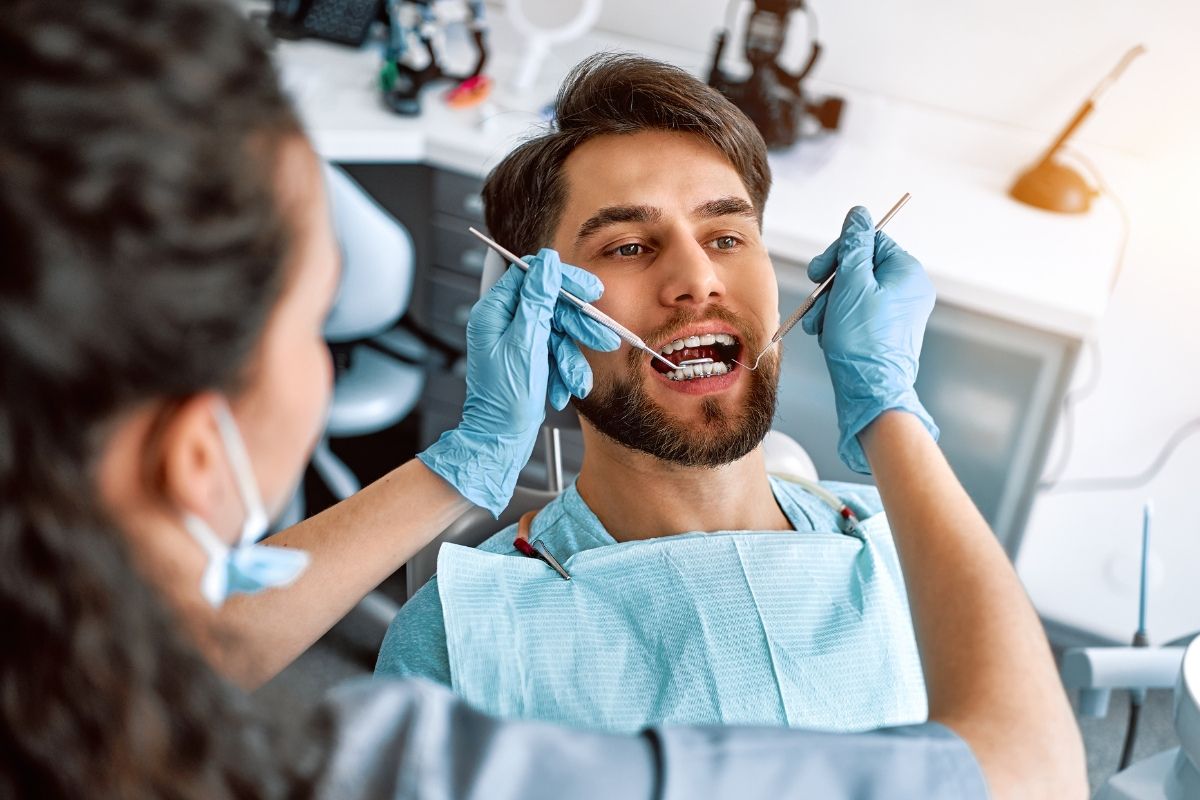
A professional cleaning at the dental office is essential for removing plaque and tartar that accumulate even with regular brushing. Dental cleanings performed by a trusted dentist in Baton Rouge help remove plaque buildup that brushing alone can’t eliminate. These cleanings are crucial in preventing cavities, as they remove the harmful bacteria that contribute to decay.
2. Fluoride Treatments
Fluoride is a mineral that strengthens tooth enamel, making it more resistant to decay. Your dental care professional may recommend fluoride treatments, especially if you are at higher risk of developing cavities. Fluoride is often applied at the dental clinic in Baton Rouge, and it can help to remineralize enamel, providing extra protection against decay.
3. Dental Sealants
For children and adults who are prone to cavities, dental sealants are an excellent preventive measure. Sealants are thin, plastic coatings that are applied to the chewing surfaces of the back teeth, where decay is most likely to occur. These sealants create a barrier that prevents food particles and bacteria from settling in the deep grooves of the teeth, reducing the risk of cavities.
4. Dietary Recommendations
What you eat plays a major role in the development of cavities and tooth decay. A dentist can provide valuable advice on maintaining a tooth-healthy diet, which includes limiting sugary foods and drinks. In addition, dental care professionals may recommend drinking more water and eating foods that help naturally clean your teeth, such as crunchy vegetables.
5. Routine Checkups and Early Detection
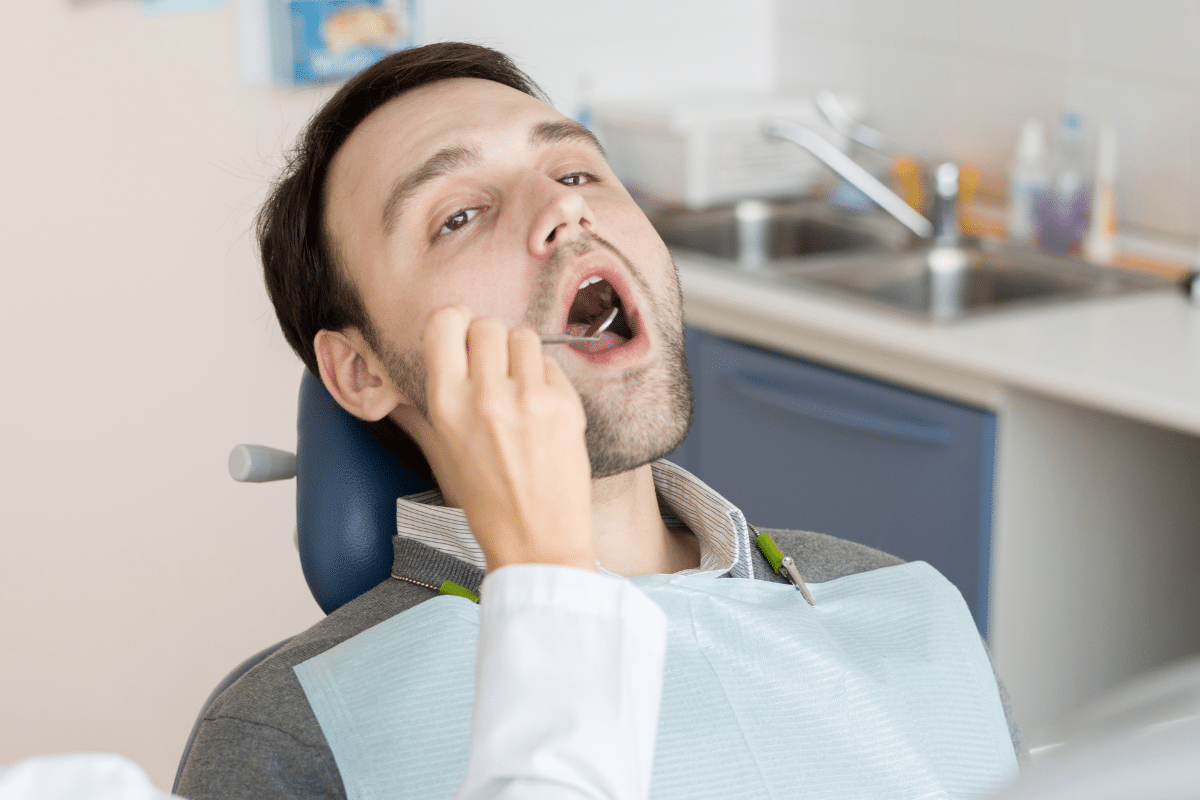
Early detection of cavities and oral decay is essential for effective treatment. Regular visits to your Baton Rouge dentist help to identify potential issues before they become serious. During routine checkups, your dental practitioner can detect early signs of decay, which can be treated with minimal intervention, often preventing the need for more invasive treatments in the future.
Treatment Options for Cavities and Tooth Decay
If you already have cavities or tooth decay, don’t worry; there are several treatments available to restore your smile and prevent further damage. These treatments are tailored to your needs, depending on the severity of the decay.
1. Fillings
When cavities form, the decayed portion of the tooth is removed and replaced with a filling. Fillings can be made from a variety of materials, including composite resin, porcelain, and silver amalgam. Your dentist will discuss the best option for you based on the location and size of the cavity. Fillings restore the tooth’s structure, prevent further decay, and improve the tooth’s appearance.
2. Crowns
In cases where a tooth is severely decayed or damaged, a dental crown may be necessary. A crown is a cap that covers the entire tooth, providing strength and protection. Crowns are often recommended for teeth with large cavities or weakened by decay. Dr. Babin and the team at Babin Dental will guide you through the process and help restore your tooth to its full function.
3. Root Canals
If dental decay reaches the inner pulp of the tooth, a root canal may be required. A root canal involves removing the infected tissue inside the tooth, cleaning it, and sealing it to prevent further infection. After the procedure, the tooth is usually restored with a crown to provide long-term protection.
4. Tooth Extractions
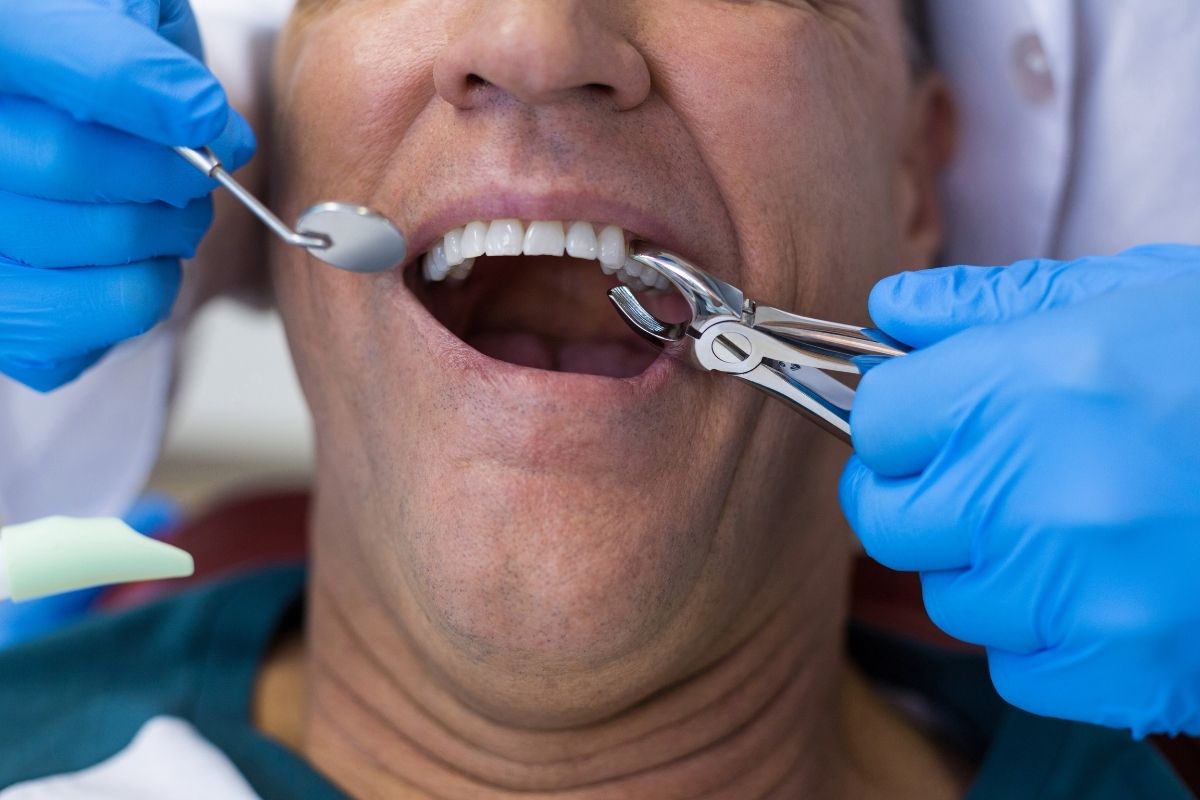
In rare cases, when a tooth is too damaged to be saved, your dental practitioner may recommend a tooth extraction. This is usually a last resort when other treatments are not viable. After an extraction, your dentist will discuss options for replacing the missing tooth, such as dental implants, bridges, or dentures.
How a Trusted Dentist Can Boost Your Smile Confidence?
When cavities and decay take a toll on your smile, it can significantly affect your confidence. A dentist’s intervention can help restore not only your oral health but also your self-esteem. With treatments like fillings, crowns, and root canals, your dental care professional can give you a functional, beautiful smile that you can be proud of. Remember, the sooner you visit a trusted dentist, the sooner you can start your journey toward better oral health and greater smile confidence.
Get the Treatment You Need at Babin Dental
At Babin Dental, we are committed to providing quality dental care to patients with cavities and tooth decay. Our team, led by Dr. Babin, is dedicated to offering personalized treatments to help restore your smile and improve your oral health. Whether you need preventive care or treatment for existing decay, we are here to help you achieve a healthy, beautiful smile.
If you’re dealing with cavities or dental decay, don’t wait; schedule an appointment today at one of our convenient locations in Baton Rouge, including Hillary Court and Picardy. Our friendly and reliable team is ready to help you get back on track to a healthier smile.
FAQs
What are the signs of cavities?
Cavities often start with tooth sensitivity, pain when eating or drinking, and visible holes or dark spots on teeth.
Can cavities be reversed?
Early-stage cavities may be remineralizer with fluoride treatments, but once a cavity has formed, it typically requires a filling.
How can I prevent tooth decay at home?
Brushing twice a day, flossing daily, and using fluoride toothpaste can help prevent cavities and decay. Limiting sugary foods also helps.
What is the best treatment for severe tooth decay?
In cases of severe decay, a root canal or crown may be necessary to restore the tooth’s function and appearance.
How often should I visit the dentist for checkups?
It’s recommended to visit your dentist every six months for regular checkups and cleanings to detect any issues early.
What are dental sealants, and do I need them?
Dental sealants are thin coatings applied to the back teeth to prevent cavities. They are especially beneficial for children or adults prone to decay.