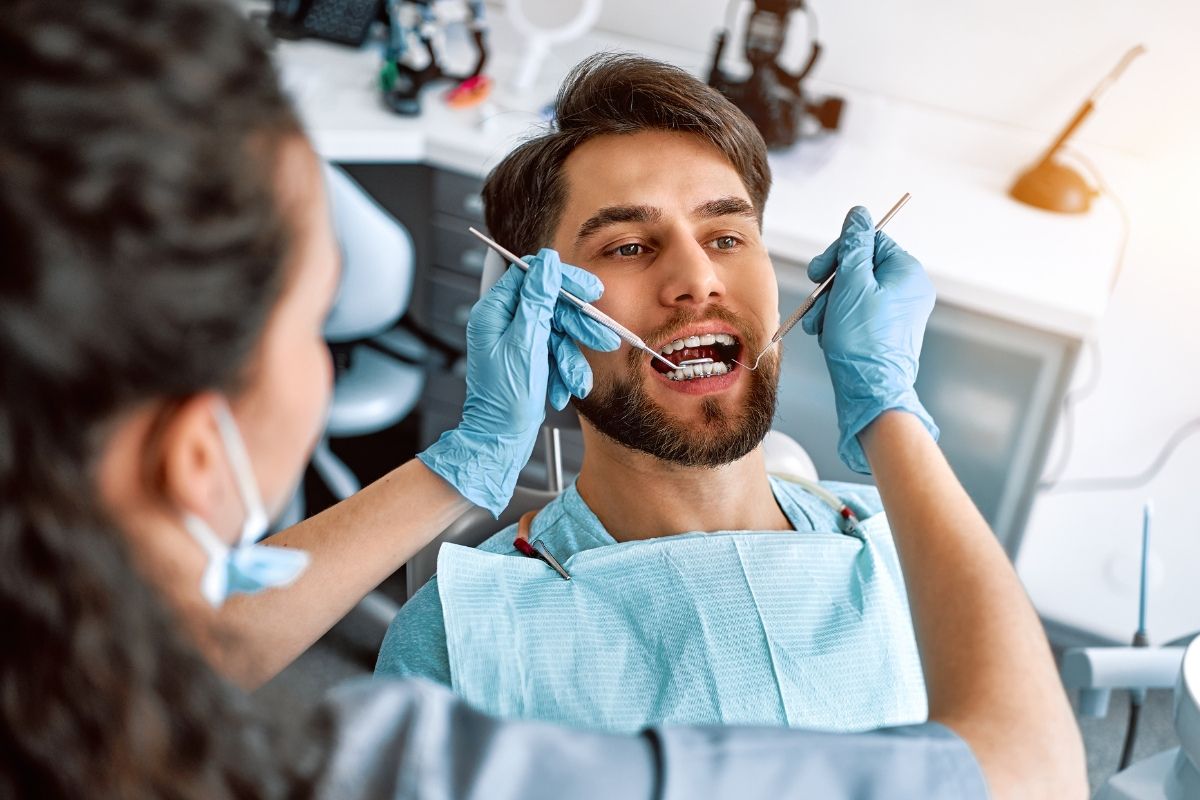


A personalized dental treatment plan is created by carefully evaluating your oral health, understanding your concerns, and using clinical experience to recommend care that fits your needs. An experienced dentist does not rely on a standard checklist. Instead, every plan is built around the individual patient, their current condition, and their long-term oral health goals. At our dental clinic in Baton Rouge, treatment planning is approached with precision, transparency, and a strong focus on patient education, which helps ensure care is appropriate, effective, and easy to understand.
Starting With a Patient-Focused Dental Consultation
The foundation of a personalized treatment plan begins with listening. During your first visit, the dentist takes time to understand why you came in and what concerns you may have. This could include discomfort, cosmetic goals, difficulty chewing, or simply wanting to maintain healthy teeth and gums.
A complete review of your medical and dental history is also essential. Conditions such as diabetes, heart disease, or previous dental trauma can influence treatment recommendations. Medications, allergies, and past dental experiences are carefully considered to ensure safety and comfort. This thoughtful approach reflects real clinical experience and helps build trust between the dentist and patient.
Comprehensive Dental Examination and Diagnostics
Once your concerns and history are reviewed, a detailed dental examination is performed. This includes evaluating the teeth, gums, bite alignment, jaw joints, and any existing restorations. Gum health is closely assessed since early signs of periodontal disease can impact overall oral health if left untreated.
Digital X-rays and other diagnostic tools may be used to identify issues not visible during a visual exam. These images help detect cavities between teeth, infections, bone changes, or impacted teeth. Using accurate diagnostics allows the dentist to make informed decisions that support long-term oral health rather than temporary solutions.
Using Clinical Experience to Identify Priorities
After gathering all clinical information, the dentist organizes findings into a clear and practical plan. Immediate concerns such as infection, pain, or damage are addressed first. Preventive care, including professional cleanings and routine maintenance, is planned next. Long-term needs such as restorative or cosmetic care are discussed thoughtfully and without pressure.
Years of hands-on experience help our dentist in Baton Rouge determine which treatments are truly necessary and which can be monitored over time. This professional judgment is a key part of creating a plan that supports both oral health and patient confidence.
Aligning Treatment With Personal Goals and Lifestyle
A personalized plan should reflect not only clinical needs but also personal preferences. Some patients want to focus on improving their smile, while others prioritize comfort or function. Work schedules, family commitments, and financial considerations are also important factors.
For patients seeking guidance while selecting the right dental provider in Baton Rouge, it helps to work with a dentist who understands the local community and takes a practical approach to care. Treatment options are explained clearly, including benefits, potential risks, and realistic outcomes, so patients can make informed decisions at their own pace.
Offering Customized Treatment Options by Dentist
Personalized dental care often includes more than one treatment option. A damaged tooth, for example, may be treated with a filling, crown, or monitored depending on severity and patient preference. Gum concerns may involve preventive care, scaling and root planing, or ongoing maintenance.
Throughout this process, the dentist uses their expertise in preventive dentistry, restorative dentistry, cosmetic dentistry, and overall oral health management. Recommendations are tailored to the individual rather than based on generic treatment paths.
Clear Communication Builds Trust and Confidence
An essential part of treatment planning is patient education. A professional dentist explains findings in plain, easy-to-understand language. Visual aids, digital images, and models are often used to help patients clearly see and understand their oral health condition.
Structuring the Treatment Plan for Comfort and Success
Not all dental care needs to be completed at once. A personalized treatment plan is often organized into phases to make care more manageable. Urgent issues are addressed first, followed by preventive and elective treatments.
This structured approach allows time for healing, financial planning, and ongoing evaluation. It also ensures that care remains flexible and responsive to any changes in oral health.
Ongoing Monitoring and Long Term Care
A treatment plan does not end after the first procedure. Regular checkups allow the dentist to monitor progress, evaluate healing, and adjust recommendations as needed. Changes in lifestyle, health, or oral conditions may require updates to the plan over time.
At our dental clinic, continuity of care plays an important role in long-term success. Seeing the same dental team over time allows for better tracking of oral health patterns and more accurate preventive planning.
Personalized Planning Supports Lifelong Oral Health
A personalized dental treatment plan is built on careful evaluation, professional experience, and open communication. When a dentist takes the time to understand both your oral health needs and personal goals, the result is care that feels thoughtful and appropriate. This approach supports long-term oral health, reduces unexpected issues, and helps patients feel confident in their dental decisions.
If you are looking for clear guidance and individualized dental care in Baton Rouge, schedule a consultation with Babin Dental, the Hillary Court branch or the Picardy branch. A comprehensive evaluation can help you understand your current oral health and create a personalized plan that supports a healthy smile for years to come.
FAQs
How does a dentist decide what treatment I need?
A dentist evaluates your teeth, gums, bite, and overall oral health through a clinical exam and diagnostic imaging. They also consider your medical history, symptoms, and personal goals before recommending any treatment.
Is a personalized dental treatment plan really necessary?
Yes. Every patient’s oral health is different. A personalized plan ensures that treatment is based on your specific needs rather than a general approach, which leads to better comfort, results, and long-term oral health.
Will my dentist explain all my treatment options?
A professional dentist will always explain available options, along with their benefits and potential risks. Patients are encouraged to ask questions so they can make informed decisions about their care.
How long does it take to create a treatment plan?
In many cases, a dentist can outline a treatment plan during your initial visit. More complex cases may require additional imaging or evaluations before final recommendations are made.
How often should my treatment plan be reviewed?
Treatment plans are typically reviewed during regular dental checkups. Your dentist may update recommendations based on exam findings or changes in your oral health.