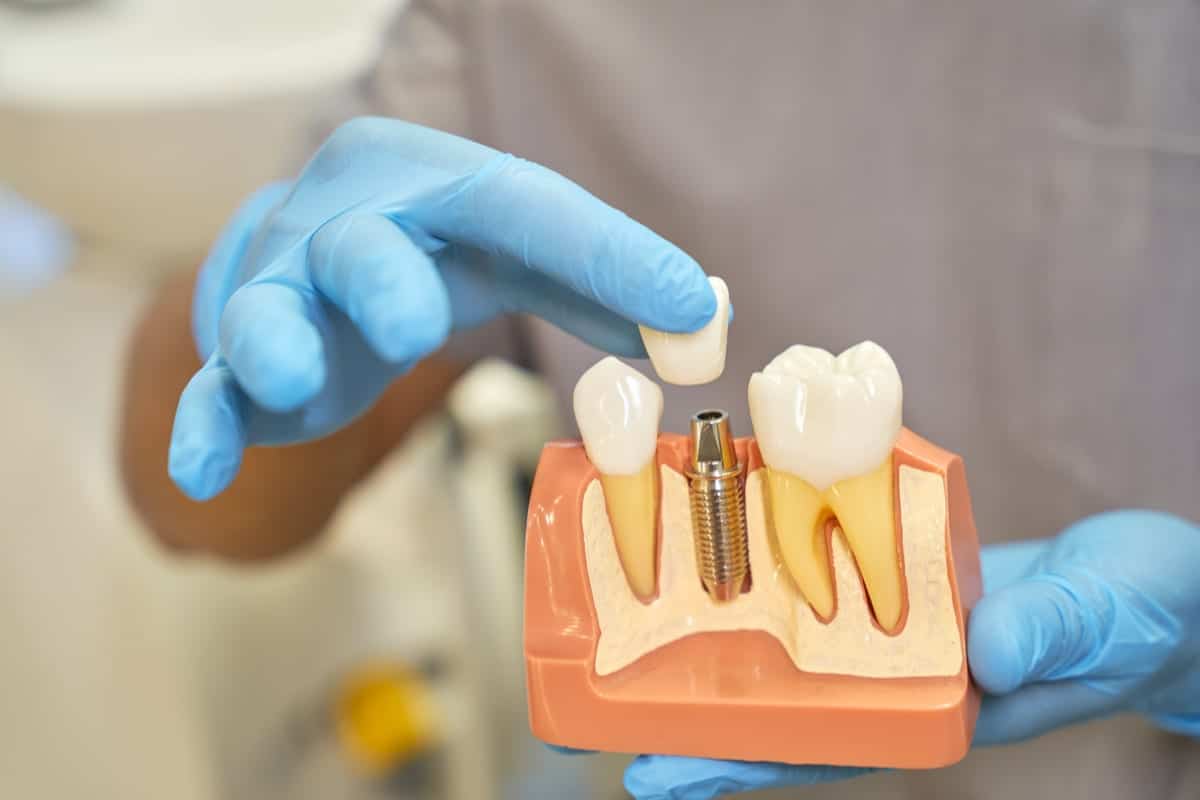

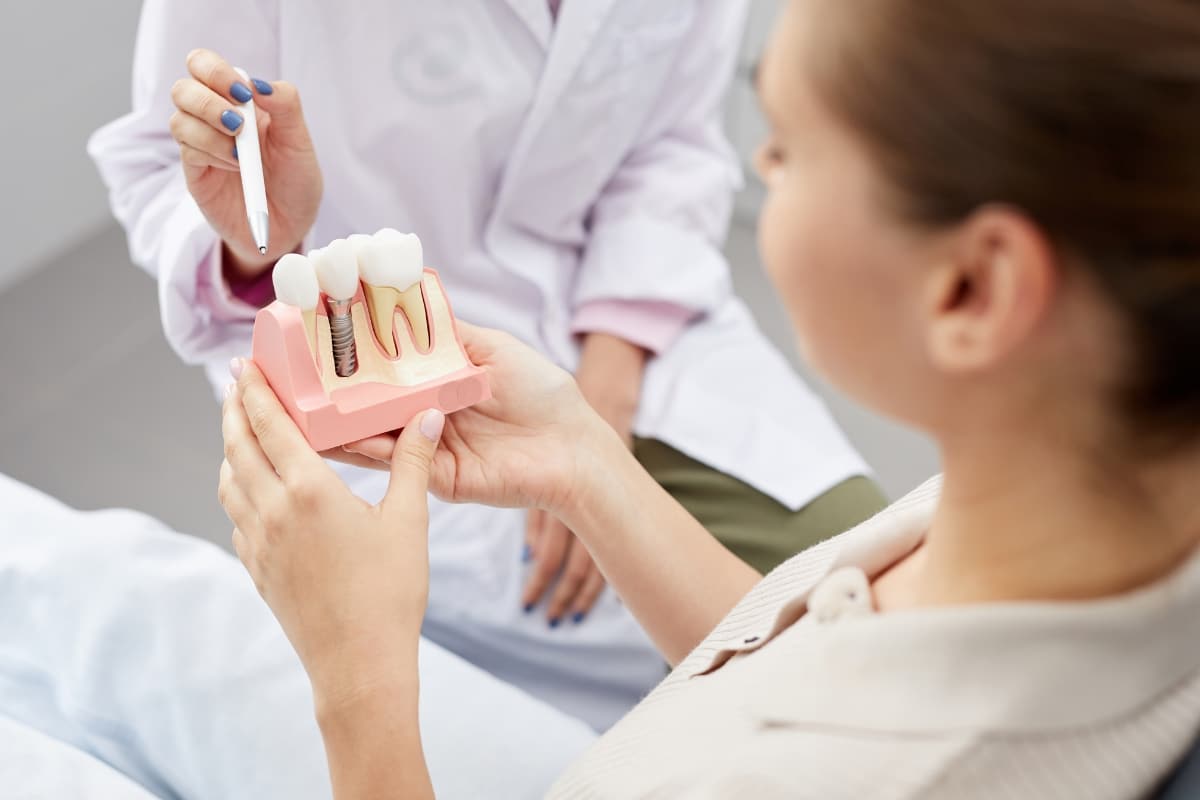
When considering a full mouth dental implant procedure, one common question is how many implants are necessary. Understanding the factors that determine the number of dental implants needed can help you make an informed decision.
What Is a Full Mouth Dental Implant Procedure?
A full mouth dental implant procedure replaces all the teeth in your upper, lower, or both jaws. This procedure is ideal for individuals who have lost most or all of their teeth due to decay, injury, or disease. The implants serve as a sturdy foundation for the replacement teeth, providing a natural look and feel.
Factors Determining the Number of Implants Needed
The number of dental implants required for a full mouth procedure depends on several factors:
- Bone Density and Volume: The quality of your jawbone affects how many implants are needed. If you have good bone density, fewer implants may be sufficient.
- Arch Type: The upper and lower jaws may require different numbers of implants. The upper jaw typically needs more due to its softer bone structure.
- Type of Restoration: Whether you choose fixed bridges or removable dentures influences the number of implants. Fixed bridges often require more implants for stability.
Typical Number of Implants Required
On average, a full mouth dental implant procedure requires 4 to 6 implants per jaw. Here’s a breakdown:
- 4 Implants: Often used in an “All-on-4” procedure, where four implants support a full arch of replacement teeth. This method is efficient and less invasive.
- 6 Implants: Provides additional stability, especially for patients with softer bone in the upper jaw. It’s ideal for fixed bridges.
- 8 Implants: In some cases, particularly with low bone density, 8 implants may be used for maximum stability. This option is less common but may be recommended for complex cases.
Benefits of Fewer Implants
Fewer dental implants reduce surgical time and recovery. Procedures like the “All-on-4” offer effective results with fewer implants, making them a popular choice. This approach minimizes the number of implants while still providing a full set of teeth.
The Importance of a Personalized Treatment Plan
Every patient is different, so the exact number of dental implants needed varies. A thorough consultation with your dentist will determine the best plan for your specific needs. They will assess your bone structure, overall health, and aesthetic goals to create a tailored treatment plan.
Conclusion
The number of dental implants required for a full mouth dental implant procedure typically ranges from 4 to 8 per jaw. This number depends on factors such as bone density, jaw structure, and the type of restoration you choose. Consulting with your dentist in Baton Rouge is the best way to determine the right approach for your dental needs, ensuring a healthy, functional, and aesthetically pleasing result. Dental implants are a long-term investment in your oral health, providing a stable and natural-looking solution for missing teeth.